
No products in the cart.
Return To Shop


Types of PPE Clothing: Gowns, Aprons, Sleeves & Uses
Comprehensive Guide to PPE Clothing in the UK: Understanding Gowns, Aprons, and Sleeves
What are the defining features of gowns in UK healthcare settings?

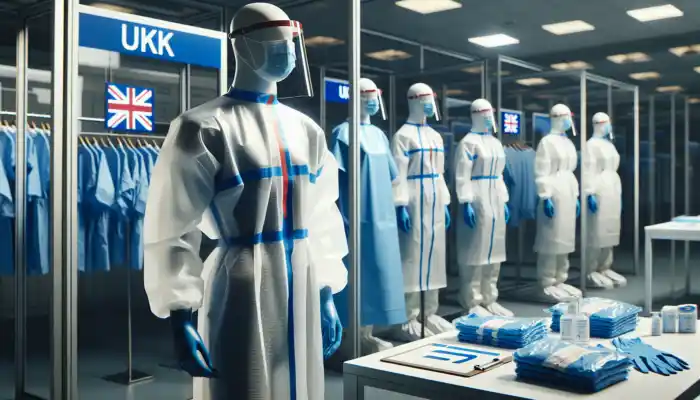
Types of PPE Clothing: Gowns in UK healthcare settings are meticulously engineered to act as a protective barrier against a variety of contaminants. These specialised garments are crafted from materials that meet rigorous compliance standards set by regulatory authorities such as the NHS and the Health and Safety Executive. In NHS hospitals, gowns are routinely used during surgical operations and patient care to help avert cross-contamination and maintain a sterile environment. For example, esteemed institutions like King’s College Hospital utilise disposable gowns that comply with infection control protocols, thereby ensuring the safety of both patients and healthcare professionals.
Essential characteristics and benefits of aprons in UK workplaces
Aprons used across diverse sectors in the United Kingdom are designed with durability and functionality in mind, fully aligned with British safety regulations. Their construction prioritises ease of use while delivering effective protection against spills and various contaminants. Notable advantages of aprons for everyday activities include their robust materials, which withstand frequent wear and tear, and waterproof options ideal for wet environments. These aprons also feature a comfortable fit that allows unrestricted movement, making them suitable for a variety of tasks. Furthermore, their ease of cleaning and maintenance is paramount to ensure hygiene, particularly in industries like food service and manufacturing, where safety is of utmost importance.
What types of sleeves are commonly used in UK workplaces?
In the United Kingdom, sleeves play a crucial role in providing necessary protection within various workplaces, especially in sectors such as construction and industry. These sleeves are specifically designed to endure the unpredictable British weather while complying with local safety regulations. Workers depend on sleeves made from certified materials to protect against cuts and abrasions encountered during their tasks, ensuring compliance with safety standards and enhancing overall worker safety.
What Are the Primary Uses of Gowns in UK Healthcare Settings?
How are gowns effectively utilised in medical procedures across the UK?
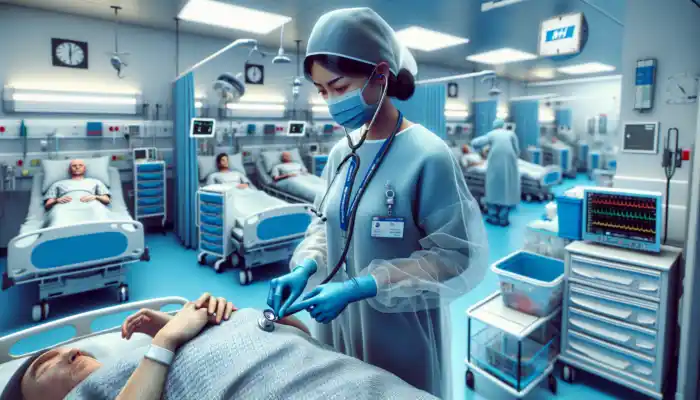
In UK medical procedures, gowns play an indispensable role in preventing contamination during surgical interventions and patient interactions. These garments are vital for maintaining sterile fields and protecting healthcare professionals from biohazard exposure. The correct use of gowns involves donning them before entering surgical areas, ensuring they cover all exposed skin and are secured appropriately. To maximise their effectiveness, healthcare professionals are advised to:
- Select the appropriate gown based on the specific type of procedure being performed.
- Ensure that the gown fits snugly to minimise the risk of exposure.
- Adhere to local health guidelines for proper disposal after use.
- Maintain stringent hand hygiene practices before and after wearing the gown.
These procedural steps are essential for complying with NHS health regulations, safeguarding both patients and staff in clinical settings.
Standard applications of aprons across various UK sectors
Aprons are widely used across multiple sectors in the UK, including laboratories and kitchens, where they play a pivotal role in promoting worker safety. Designed to be spill-resistant and comfortable, these aprons allow employees to perform their tasks without the added concern of accidents. For instance, in food processing environments, aprons not only protect clothing but also comply with hygiene standards mandated by local regulatory authorities, underscoring their critical role in maintaining workplace safety and hygiene.
Everyday applications of sleeves in daily UK routines

Sleeves are integral to safety protocols in the United Kingdom’s agriculture and engineering sectors, providing essential protection against hazards common to these environments. Their design focuses on ensuring compliance with national health protocols while offering workers the necessary flexibility for a range of tasks. For example, in farming, lightweight and durable sleeves protect against cuts from vegetation and chemical exposure, thereby enhancing the safety of labourers who operate in challenging conditions daily.
Applications of gowns in cleanroom environments across the UK
In the United Kingdom, gowns are a critical component of cleanroom environments, particularly within industries such as pharmaceuticals and electronics. These garments are specifically designed to ensure sterility and minimise particle contamination, and adhere to strict standards set by the British Standards Institution. Proper fitting is paramount; gowns must be buttoned securely and tailored to avoid any loose fabric that could compromise the clean environment. Additionally, meticulous adherence to disposal protocols is essential to prevent contamination, reinforcing the importance of gown usage in these sensitive and controlled settings.
Expert Insights on Types of PPE Clothing: Gowns, Aprons, Sleeves, and Their Uses
Expert analysis on gown selection criteria in the UK
The selection of gowns in the UK healthcare sector is crucial for maximising protection against infections. Experts recommend that healthcare providers carefully consider the material efficacy of gowns, which typically incorporate multi-layered fabrics engineered to block pathogens while facilitating breathability. Research indicates that gowns crafted from synthetic fibres offer superior barrier properties, making them a preferred choice among healthcare specialists. Moreover, ongoing evaluations of gown performance concerning infection rates reveal that particular materials significantly influence clinical outcomes, underscoring the importance of informed gown selection.
Advantages of aprons according to UK expert recommendations
Experts in the United Kingdom emphasise the importance of aprons in enhancing safety across various industries, particularly in food processing and laboratory environments. Studies demonstrate that ergonomically designed aprons that fit well and provide comprehensive coverage notably reduce the risk of worker injury. For example, manufacturing facilities like Nestlé implement specific apron designs that not only protect their workforce but also comply with local safety protocols, ultimately fostering a safer workplace culture.
Recommended sleeve strategies from UK professionals
UK professionals advocate for the use of sleeves as a vital component of personal protective equipment (PPE) across numerous industries. Their guidance often focuses on selecting sleeves with enhanced safety features, such as cut-resistant and chemical-resistant properties. In line with national safety guidelines, workers are advised to routinely inspect their sleeves for signs of wear and tear to ensure maximum protection during use. Implementing a systematic routine for sleeve checks can significantly diminish the risk of accidents and promote a culture of safety within various workplaces.
Diverse Apron Types for Various Industries in the UK

What apron styles are preferred in UK manufacturing settings?
In the United Kingdom, apron preferences in manufacturing differ considerably depending on the specific tasks being performed. Waterproof designs are particularly sought after for roles that involve exposure to liquids or chemicals, ensuring compliance with local safety codes that safeguard employees. These aprons are typically constructed from heavy-duty materials that not only protect against spills but also resist abrasion, ensuring longevity and reliability in even the most demanding work environments.
Apron variations specific to UK food processing
In the food processing sector, aprons are meticulously crafted to uphold high hygiene standards. Made from materials that comply with British food safety regulations, these aprons are designed to prevent contamination from spills or splashes. For instance, aprons made from food-safe plastics are widely used in slaughterhouses and processing plants, minimising food safety risks and ensuring products remain uncontaminated throughout all handling processes.
Apron choices tailored for UK educational environments
In UK schools and laboratories, aprons are essential for ensuring child safety during practical activities. The emphasis on durable fabrics ensures they withstand the rigours of educational tasks while adhering to national safety guidelines. Maintenance best practices for these aprons include:
- Regular washing at high temperatures to uphold hygiene.
- Conducting inspections for rips or tears to avert potential accidents.
- Proper storage to prevent damage and extend lifespan.
- Implementing colour-coded aprons for different subjects to enhance safety awareness.
Such practices reinforce safety measures while allowing students to engage in hands-on learning experiences in a secure environment.
How Do Sleeves Provide Protection for Workers in the UK?
What mechanisms do sleeves employ for protection in UK jobs?
Sleeves in the United Kingdom are expertly designed to protect workers from a variety of risks associated with their jobs, particularly in high-risk sectors such as welding and manufacturing. Their protective mechanisms are vital, as they prevent burns, cuts, and exposure to hazardous substances. In compliance with local regulations, sleeves are constructed from materials that provide thermal protection and puncture resistance, ensuring worker safety at all times.
Why are sleeves essential for UK outdoor work?
In outdoor work environments across the United Kingdom, sleeves play a critical role in safeguarding workers from the elements. They provide insulation during cold weather conditions and offer protection against harmful UV rays on sunny days, aligning with British occupational health guidelines. The appropriate selection of sleeves ensures workers remain comfortable while significantly reducing the health risks associated with prolonged exposure to harsh environmental conditions.
Effectiveness of sleeves in UK emergency services
In the realm of emergency services, sleeves provide indispensable protection for responders who encounter a wide range of hazards, from sharp objects to chemical exposure. Crafted to meet national emergency protocols, these sleeves are robust and durable, providing a reliable layer of defence during critical operations. Experts stress the importance of selecting sleeves that not only offer durability but also allow for agility and freedom of movement, essential attributes for an effective emergency response.
Significance of sleeves in UK construction environments
In the United Kingdom, sleeves are vital in construction environments, providing workers with protection against hazards such as sharp objects, debris, and chemical exposure. These sleeves are specifically designed to align with Health and Safety Executive guidelines, which dictate the use of appropriate materials to ensure maximum durability and flexibility. By wearing these protective sleeves, workers can significantly reduce their risk of injury, thereby contributing to safer construction sites and enhancing overall workplace safety.
What regulatory standards govern sleeves in the UK?
Regulatory standards in the United Kingdom, particularly those established by the Health and Safety Executive, govern the quality and usage of protective sleeves across various industries. These regulations specify the materials that must be used, ensuring they resist fire, chemicals, and abrasion, thereby promoting compliance and minimising workplace accidents. Adhering to these standards not only protects workers but also fosters a culture of safety and responsibility within organisations, ensuring that employee well-being is prioritised.
Research-Backed Benefits of PPE Types: Gowns, Aprons, Sleeves, and Their Uses
What evidence supports the advantages of gowns in the UK?
Research conducted within the United Kingdom indicates that the utilisation of gowns can dramatically reduce infection rates in healthcare settings. Studies from reputable British institutions underscore the effectiveness of gowns in maintaining sterile surgical environments. For instance, hospitals that implemented stringent gown protocols reported significant decreases in post-operative infections, highlighting the essential role these garments play in ensuring patient safety and enhancing overall healthcare outcomes.
What data supports the benefits of aprons in the UK?
UK-based research shows that aprons are highly effective at protecting workers from spills and contaminants, particularly in food service and industrial settings. Local workplace studies show that the use of appropriate aprons reduces accidents and injuries, thereby improving overall safety in the work environment. Facilities that have adopted aprons have reported improved compliance with health and safety standards, further reinforcing the critical importance of these protective garments across sectors.
What findings validate the use of sleeves according to UK research?
Research emanating from the United Kingdom highlights the protective attributes of sleeves in manual labour settings. Data from national bodies affirm their role in preventing injuries associated with sharp objects and hazardous substances. To ensure effective selection, workers are encouraged to choose sleeves that meet stringent safety standards and provide adequate coverage for their specific job requirements, thereby enhancing safety across various work environments.
Selection Criteria for PPE in the UK: A Comprehensive Overview
What factors influence the selection of gowns in the UK?
The selection of gowns in the United Kingdom is dictated by several factors, including fit, material quality, and intended application. Local standards guide healthcare professionals to ensure optimal protection in a variety of settings. Key criteria for selecting gowns include:
- Adherence to infection control protocols.
- Material properties, such as fluid resistance and breathability.
- Proper sizing and fit to prevent exposure.
- Durability for extended use in high-stress environments.
These considerations are vital for upholding safety and hygiene standards within the healthcare sector while ensuring the well-being of both patients and staff.
What are the criteria for aprons in UK compliance checks?
Aprons in the UK must comply with rigorous specifications concerning durability and safety, which are evaluated through regular inspections in accordance with British regulations. Compliance checks ensure that aprons are fit for their intended purpose, particularly in industries where exposure to hazardous materials is prevalent. This ongoing evaluation process helps mitigate risks and ensures that workers are adequately protected while performing their duties.
What guidelines govern sleeve selection in UK applications?
In the United Kingdom, sleeves are selected based on the unique needs of the workplace, with a focus on flexibility and compliance with national safety measures. Guidelines recommend assessing working conditions and potential hazards to determine the most suitable sleeve material, whether for thermal protection, cut resistance, or chemical safety. Such evaluations ensure sleeves provide the necessary protection across various job environments, enhancing overall worker safety and compliance.
What factors influence glove selection in the UK?
In the United Kingdom, the selection of gloves for PPE is predicated on material suitability, precise sizing, and protection against specific hazards. In compliance with British standards such as BS EN 388, key considerations include:
- Dexterity is required for fine motor tasks.
- Chemical resistance based on specific job requirements.
- Comfort for prolonged wear.
- Durability to withstand the conditions of the workplace.
These factors collectively contribute to the effective use of gloves across diverse occupational settings, ensuring that workers remain safe and efficient in their roles.
What guidelines apply to footwear in UK workplaces?
Footwear selection in the United Kingdom prioritises slip resistance, impact protection, and material durability, in strict accordance with Health and Safety Executive guidelines. Factors such as the workplace environment, user comfort, and compliance with British standards are crucial to ensure adequate protection against injuries. Properly fitted safety footwear significantly reduces accidents and enhances overall productivity in professional environments, making it an essential aspect of workplace safety protocols.
Why Is Proper Fitting Crucial for PPE?
How does fitting influence gown performance in UK healthcare?
Proper gown fit in the United Kingdom is paramount for enhancing safety in medical settings. A well-fitted gown effectively prevents exposure to contaminants, aligns with local health guidelines, and ensures that healthcare professionals are sufficiently protected. Loose or improperly fitted gowns can elevate the risk of contamination, jeopardising both patient and worker safety during critical medical procedures and interventions.
What impact does fitting have on apron effectiveness in the UK?
Fitting is essential for ensuring that aprons in the United Kingdom provide full coverage and adequate protection. A properly fitted apron minimises risks associated with industrial tasks, adhering to British norms that prioritise safety. Correctly fitted aprons help workers avoid exposure to hazardous materials, thereby enhancing their safety and comfort while performing their responsibilities in the workplace.
What fitting considerations should be taken into account for sleeves in the UK?
Correctly fitting sleeves in the United Kingdom is vital for improving mobility while ensuring workplace protection. Sleeves that fit well not only offer superior coverage against hazards but also comply with workplace safety requirements. Properly fitted sleeves facilitate movement while protecting workers from potential injuries throughout their tasks, enhancing their overall safety and effectiveness.
Why is proper fitting crucial for gloves in the UK?
Proper glove fitting in the United Kingdom is essential to ensure optimal dexterity and protection against hazards, such as chemicals and punctures. In adherence to British health and safety regulations, well-fitted gloves significantly reduce the risk of hand injuries across various workplaces. Ensuring that gloves fit correctly allows workers to perform tasks efficiently while minimising exposure to potential risks and hazards.
What fitting considerations are important for safety footwear in the UK?
In the United Kingdom, the correct fitting of safety footwear is critical for maintaining stability and comfort, helping to prevent foot injuries in construction and manufacturing environments. Compliance with Health and Safety Executive guidelines ensures that footwear fits well, thus maintaining productivity and adherence to safety standards. Properly fitted safety shoes not only enhance comfort but also provide the necessary protection against workplace hazards, making them indispensable for worker safety.
Regulatory Standards for PPE in the UK: An Overview
What are the key regulations governing gowns in the UK?
United Kingdom laws, including those enforced by the Health and Safety Executive, govern the use of gowns within healthcare settings. These regulations ensure that gowns meet stringent hygiene and safety standards, thereby protecting both patients and healthcare professionals during medical procedures. Compliance with these regulations is essential for minimising infection risks in clinical environments and ensuring the highest standards of care.
What standards govern aprons in the UK?
Aprons in the United Kingdom must adhere to specific directives concerning material safety, enforced through regular audits across various sectors. These standards ensure that aprons are constructed from suitable materials that protect against spills and contaminants, thereby safeguarding worker health and maintaining hygiene across a multitude of industries. Adherence to these regulations not only protects employees but also promotes a culture of safety within the workplace.
What are the legal requirements for sleeves in the UK?
Sleeves in the United Kingdom are subject to specific regulations designed to safeguard workers’ health and safety, as outlined in national legislation. These legal requirements ensure that sleeves provide adequate protection against various hazards, aligning with health and safety standards that prioritise worker well-being across diverse occupational settings. Compliance with these regulations is crucial for maintaining safety and reducing the risk of workplace injuries.
Frequently Asked Questions About PPE in the UK
What types of PPE are commonly used in healthcare environments?
Common types of PPE in healthcare include gowns, gloves, masks, and face shields, each specifically designed to protect healthcare workers and patients from infections and contaminants, ensuring a safe healthcare environment.
How do aprons differ across various industries in the UK?
Aprons vary significantly by industry; for instance, food processing aprons are tailored to prioritise hygiene and spill resistance, while industrial aprons may focus on enhanced durability and chemical resistance to meet specific safety needs.
What are the key considerations when selecting sleeves for PPE?
When selecting sleeves, it is essential to consider factors such as the level of protection required, material suitability, comfort, and adherence to local safety regulations to ensure adequate worker safety and compliance in the workplace.
Why is proper fitting of PPE critically important?
Proper fitting of PPE, such as gowns and gloves, is crucial for maximising protection and ensuring comfort, thereby reducing the risk of injury or contamination during various tasks and procedures.
How frequently should PPE be inspected for safety?
PPE should be inspected before each use for signs of wear and tear, and regularly checked to ensure it continues to meet safety standards and remains effective in protecting the user.
What regulations govern PPE in the UK?
PPE in the UK is governed by regulations established by the Health and Safety Executive, which outline standards for material safety, proper fit, and use across various industries to ensure worker safety and compliance.
Are there specific guidelines for PPE use in educational settings?
Yes, educational settings must adhere to specific guidelines that promote child safety, including the use of durable, easy-to-clean aprons and protective gear during practical activities, to ensure a secure learning environment.
What impact does PPE have on workplace safety and health?
The proper use of PPE significantly reduces the risk of workplace injuries and illnesses, fostering a culture of safety and compliance with health regulations, and ultimately contributing to a healthier work environment for all employees.
Can PPE be reused, and under what conditions?
Some PPE, such as certain aprons and gloves, may be reused if they are properly cleaned and maintained, but this is contingent on the manufacturer’s guidelines and the assessed contamination risk for each item.
How do I choose the right PPE for my specific industry?
Choosing the right PPE involves carefully assessing the specific hazards present in your industry, consulting relevant safety regulations, and selecting protective gear that meets those criteria while ensuring comfort, usability, and compliance with standards.
Join our vibrant community on Facebook to stay updated!


About author


Add comment