
No products in the cart.
Return To Shop


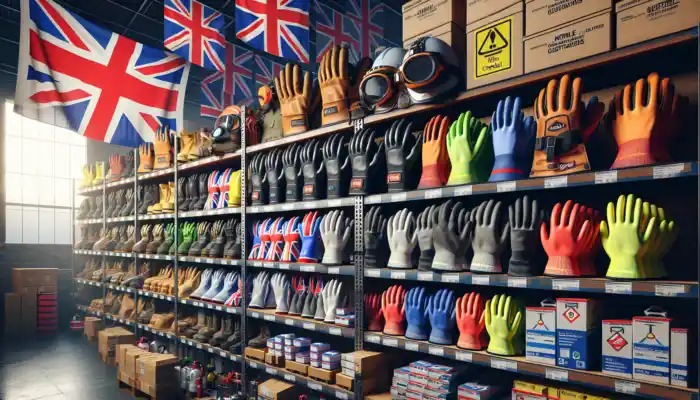
Buy Safety Gloves in King’s Lynn: Best Options
Exploring the Diverse Range of Safety Gloves Available in the UK
What Materials Are Commonly Utilised in UK Safety Gloves?

Safety Gloves in King’s Lynn: In the UK, safety gloves are primarily crafted from durable materials such as leather and nitrile. Leather gloves are widely preferred in the construction and manufacturing sectors for their exceptional durability and resistance to cuts and abrasions, making them ideal for demanding tasks. In contrast, nitrile gloves are highly sought after in chemical-handling settings because they offer exceptional resistance to a broad spectrum of chemicals while maintaining dexterity. According to the Health and Safety Executive (HSE), approximately 30% of workplace accidents involve hand injuries, underscoring the critical need to select the appropriate glove type for specific tasks. Adhering to British standards not only reduces the risk of injuries but also fosters a safer working environment.
Moreover, materials such as latex and polyurethane are commonly used in disposable gloves, particularly in healthcare environments where hygiene is paramount. Each material possesses unique benefits tailored to various industrial applications, making it essential for employers and workers to understand their options. By opting for gloves made from high-quality materials, businesses safeguard their employees and comply with legal workplace safety requirements across the UK.
Which Renowned Brands Offer Safety Gloves in the UK?
A variety of reputable brands supply high-quality safety gloves across the UK. Notable brands such as Portwest and Ansell lead the market, offering a comprehensive selection of gloves that meet local regulations. Portwest, for example, is recognised for its innovative designs that serve multiple industries, including construction, manufacturing, and healthcare. Their gloves are engineered to protect against specific hazards, ranging from cut-resistant gloves that enhance safety in construction to chemical-resistant varieties ideal for laboratory environments.
Ansell also boasts an extensive range of safety gloves that prioritise user comfort and protection. Their products often integrate advanced technologies to improve dexterity and grip, which are crucial for precision tasks. Industries such as warehousing and food processing particularly benefit from these expertly tailored designs. Both brands ensure compliance with UK safety standards and are dedicated to enhancing worker protection through continuous innovation, making them trustworthy options for businesses aiming to reduce injury risks.
How Can One Assess the Quality of Safety Gloves in the UK?
When purchasing safety gloves in the UK, discerning quality is essential. A key attribute to consider is CE marking, which indicates that the gloves meet essential health and safety criteria set out in UK regulations. Furthermore, gloves should adhere to EN standards, such as EN 388 for mechanical risks and EN 374 for chemical hazards. These certifications assure consumers that the gloves have undergone stringent testing and are suitable for their intended applications.
Another quality indicator is the material composition and design features of the gloves. Reputable manufacturers typically provide comprehensive information about their products, including the materials utilised and the specific risks they mitigate. This transparency is vital to ensuring you select gloves that perform effectively in your work environment. Additionally, reading reviews and seeking recommendations from industry professionals can offer further insights into the performance and longevity of various glove brands.
What Are the Common Types of Safety Gloves Found in the UK?

In the UK, safety gloves are classified into various types to address the specific requirements of different industries. Disposable latex gloves are widely used in healthcare for their barrier protection against infections and contaminants. These gloves are designed for single use, which helps maintain hygiene standards, especially in healthcare settings.
Heavy-duty leather gloves are preferred in construction and manufacturing environments for their robust protection against cuts, abrasions, and punctures. Their durability makes them suitable for tasks involving heavy machinery or sharp tools. Conversely, chemical-resistant gloves are essential for laboratory and industrial applications where employees may handle hazardous substances. These gloves are manufactured from specialised materials such as nitrile or PVC, which provide excellent protection against a wide array of chemicals, thereby ensuring worker safety.
Each type of glove is tailored to address specific risks while complying with UK safety regulations, effectively minimising workplace injuries. Understanding the various categories of safety gloves helps employers and employees make informed choices when selecting appropriate protective gear.
What Steps Should Be Followed to Purchase Safety Gloves in King’s Lynn?
Where Can You Find Local Stores in King’s Lynn for Safety Gloves?
In King’s Lynn, workers have numerous options for purchasing safety gloves. Local hardware retailers, such as Screwfix and Toolstation, offer a diverse selection of gloves suitable for various industries. Additionally, specialised stores provide tailored safety equipment to ensure compliance with UK regulations. These local shops not only support the community but also provide immediate access to essential protective gear, which is particularly crucial for individuals working in construction or manufacturing roles.
Moreover, online retailers have gained significant popularity among King’s Lynn residents, offering the convenience of home delivery. Websites like Amazon and safetygloves.co.uk offer extensive selections, often accompanied by customer reviews that can help you choose the right glove. This dual approach—shopping in-store for immediate needs and online for a broader selection—ensures workers can find suitable safety gloves that meet their specific requirements with ease.
What Payment Options Are Typically Available for UK Purchases?

When purchasing safety gloves in the UK, several common payment methods are accessible to consumers. Most local stores accept card payments, which offer a secure and convenient transaction option. Additionally, mobile payment solutions such as Apple Pay and Google Pay are becoming increasingly popular, enabling customers to complete purchases with a tap on their smartphones.
Online purchases generally offer a variety of payment options. Credit and debit cards are standard, but many retailers also accept PayPal and other digital wallets, providing buyers with flexibility. UK consumer protection laws ensure secure transactions, including protections for returns and refunds if items do not meet buyer expectations. This reliability in payment methods enhances consumer confidence, enabling them to shop for safety gloves without concern.
What Are the Advantages of Shopping Online Versus In-Store for Safety Gloves in the UK?
While both online platforms and local stores provide unique benefits, the choice between shopping methods for safety gloves ultimately depends on individual preferences. Online shopping is popular in King’s Lynn for its convenience, allowing users to browse a wide range of gloves from various brands without leaving home. Online reviews and product specifications can help make well-informed decisions, and many websites offer competitive pricing and bulk purchasing options that may not be available in physical stores.
Conversely, shopping in-store offers the advantage of hands-on inspection. Customers can evaluate the fit, feel, and quality of the gloves before finalising their purchase. This tactile experience is particularly beneficial for safety gloves, as comfort and proper fit are essential for effective protection and usability. Additionally, local retailers often employ knowledgeable staff who can provide expert advice tailored to specific industry needs. Ultimately, whether buying online or in-store, both options ensure access to gloves that comply with UK health and safety standards.
What Essential Features Should Be Considered When Selecting Safety Gloves?
When purchasing safety gloves in King’s Lynn, several key features should be considered to ensure optimal protection and usability. First, material durability is vital, as it affects the gloves’ lifespan and their ability to withstand various working conditions. Gloves made from high-quality materials such as nitrile or leather typically offer greater wear and tear resistance, making them suitable for demanding tasks.
Grip levels are another critical feature, especially in slippery environments. Gloves must provide adequate grip to prevent accidents and ensure tools and materials are handled securely. Moreover, compliance with UK safety regulations is paramount; selecting gloves that meet EN standards ensures they have been evaluated for protection against specific hazards.
- Material durability
- Grip levels
- Compliance with UK safety regulations
- Comfort and fit
- Resistance to cuts and chemicals
- Breathability
- Waterproofing capabilities
Furthermore, the importance of comfort and ease of use should not be underestimated. Gloves that fit well and permit dexterity can enhance productivity while reducing the risk of accidents. By considering these factors, individuals and businesses in King’s Lynn can select safety gloves that offer adequate protection while ensuring comfort during prolonged wear.
Expert Recommendations for Purchasing Safety Gloves in King’s Lynn

What Do Experts Advise Regarding UK Safety Standards?
Experts recommend that UK safety standards be adhered to when purchasing safety gloves. Selecting gloves certified to EN 388 is essential for workers in environments with mechanical hazards, as this standard specifies the glove’s resistance to cuts, tears, and punctures. Local experts advocate conducting a risk assessment to identify the specific hazards workers may encounter, enabling informed glove selection. For example, a manufacturing facility in King’s Lynn handling sharp metal components may require cut-resistant gloves, which have been shown to significantly reduce injury rates. Anecdotal evidence from local industries underscores the importance of training employees to use gloves correctly. A local construction company reported a 40% reduction in hand injuries after implementing a training programme that emphasised proper glove use and selection based on task requirements. Experts note that combining high-quality gloves with educational initiatives can help create a safer work environment, benefiting both employees and employers.
What Key Insights Do UK Specialists Offer?
UK specialists emphasise that factors such as glove fit and durability are paramount in preventing injuries. A properly fitting glove enhances dexterity and control while minimising the likelihood of accidents. Specialists frequently note that gloves that are too loose may become entangled in machinery, while those that are too tight can restrict circulation and comfort.
In industries such as fishing, where workers face harsh elements, durable gloves are indispensable. Case studies from East Anglia show that implementing gloves designed for extreme conditions has significantly reduced injury rates and increased worker satisfaction. Companies in this region often rely on employee feedback to refine glove selections, ensuring the selected gloves effectively address the practical challenges workers face in the field.
What Are the Current Trends in Safety Gloves According to UK Experts?
According to UK experts, recent trends in safety gloves focus on advanced designs that enhance grip and functionality. Innovations such as textured surfaces and ergonomic shapes are becoming increasingly prevalent, enabling improved control in slippery or challenging conditions. Local factories in King’s Lynn have reported notable improvements in worker safety following the adoption of these innovative glove technologies.
For instance, a factory that recently transitioned to gloves with enhanced grip saw a significant reduction in drop incidents and accidents. Consistent employee feedback underscores the need for gloves that not only protect but also facilitate movement. As these trends continue to evolve, staying informed about the latest advancements will ensure that businesses equip their workers with the best possible protection.
What Key Features Should Be Examined in Safety Gloves?
How Do Glove Sizes Differ in UK Markets?
In the UK, glove sizes typically range from small to extra-large to accommodate diverse user needs. This sizing system is essential for ensuring comfort and effectiveness in protective measures. Properly fitting gloves not only prevent slips and cuts but also improve overall productivity. For example, a size that is too large might hinder dexterity, while one that is too small could cause discomfort, leading to distractions and potential accidents.
Buyers need to consult manufacturers’ sizing charts, as sizes can vary across brands. Many retailers also provide sizing guides to help customers select the appropriate size. This focus on fit is not merely a matter of comfort; it is a critical element of workplace safety, as ill-fitting gloves can significantly undermine protection. By understanding and utilising the available sizing options, users can ensure they select gloves that function effectively for their specific tasks.
What Are the Essential Features to Consider When Selecting UK Gloves?
When choosing safety gloves, buyers should consider several key features to ensure compliance with British standards. These features encompass:
- Puncture resistance to shield against sharp objects
- Breathability to maintain comfort during extended wear
- Waterproofing to guard against liquid hazards
- Cut resistance to protect against blade injuries
- Flexibility for ease of movement and dexterity
- Insulation for protection against extreme temperatures
- Grip design for secure handling of tools and materials
These elements are integral to the performance of safety gloves across various work environments, helping safeguard against common hazards across diverse industries.
Why Is Grip a Crucial Factor for UK Users?
Grip is a vital characteristic of safety gloves, particularly for UK users operating in environments where slippery conditions are common. Maintaining control over tools and materials significantly reduces the risk of drops and subsequent injuries, as underscored by the HSE’s workplace safety recommendations. Gloves with advanced grip technologies enhance performance in tasks requiring precision, such as construction and assembly.
Furthermore, in outdoor settings typical of the UK, such as gardening or landscaping, wet or muddy conditions can compromise grip, elevating the likelihood of accidents. By investing in gloves designed with optimal grip technology, workers can execute their tasks more efficiently and safely. This attention to grip not only enhances individual safety but also fosters a culture of safety within the workplace, ultimately benefiting overall productivity and morale.
What Are the Optimal Materials for UK Safety Gloves?
In the UK, safety gloves are manufactured from a range of materials, with nitrile and leather among the most favoured. Nitrile gloves are particularly effective in providing superior protection against chemicals and abrasions while maintaining flexibility. This makes them ideal for environments where workers are exposed to harsh substances, such as laboratories or chemical processing facilities. Nitrile gloves also offer excellent puncture resistance, making them a dependable choice for high-risk tasks.
Conversely, leather gloves are renowned for their durability and are commonly utilised in construction and heavy-duty applications. These gloves are engineered to withstand challenging conditions while providing high protection against cuts and abrasions. By adhering to EN standards, both nitrile and leather gloves ensure user safety and longevity across various industries. Selecting gloves made from these optimal materials is essential to minimise workplace injuries and ensure compliance with safety regulations.
What Significance Does Cut Resistance Hold in UK Gloves?
Cut resistance is a critical feature of safety gloves used across UK workplaces, particularly in sectors such as engineering and manufacturing, where workers are frequently exposed to sharp tools and materials. Gloves rated under EN 388 provide specific information on their cut resistance levels, enabling employers to select appropriate protective gear based on the hazards in their operations. This feature is particularly important for tasks that involve the precise handling of blades or cutting instruments.
With the right cut-resistant gloves, workers can perform their tasks with greater confidence, knowing they are protected against potential blade injuries. This not only promotes safety but also enhances workflow efficiency, as employees can concentrate on their tasks without the fear of injury. As recommended by UK safety authorities, implementing cut-resistant gloves is a proactive step that substantially reduces the likelihood of accidents in high-risk environments.
Effective Strategies for Purchasing Safety Gloves in the UK
How Can You Compare Prices in the UK?
When acquiring safety gloves in the UK, comparing prices across retailers is a strategic way to secure value for money. Retailers often offer special promotions or bulk-purchase discounts, which can significantly affect overall expenses. Customers can use online platforms to compare prices, as many websites allow filtering results by price range and product features.
Furthermore, visiting local stores to inquire about in-store promotions can lead to additional savings. Understanding the average price range for specific types of gloves can also inform purchasing decisions, helping buyers avoid overpaying. This diligence in price comparison ensures businesses secure high-quality gloves while adhering to budgetary constraints and maintaining compliance with safety standards.
What Advantages Does Bulk Buying Offer in the UK?
Bulk buying safety gloves in the UK presents numerous benefits for businesses and organisations. One of the primary advantages is cost efficiency: purchasing larger quantities often results in lower per-unit prices, enabling companies to maintain a steady supply of protective gear without exceeding budget limits. This is particularly advantageous for businesses in sectors such as construction or manufacturing, where the demand for safety gloves remains consistently high.
Moreover, ensuring a continuous supply of gloves enhances workplace safety by preventing shortages that could lead to lapses in compliance with health and safety regulations. It ensures that employees always have the necessary protective equipment at hand. Bulk purchasing also simplifies procurement processes, reducing order frequency and allowing businesses to focus on core operations without the distraction of managing safety equipment supplies.
What Types of Warranties Are Offered for Safety Gloves in the UK?
In the UK, most safety gloves come with warranties that typically cover defects and performance issues for up to a year. These warranties provide essential peace of mind for buyers, ensuring that they are protected against product failures. Understanding the warranty policies of various brands is crucial, as they reflect the manufacturer’s confidence in product quality and performance.
Moreover, consumers should review the warranty terms, including what is covered and the process for filing claims. Warranty coverage is particularly important for gloves deployed in demanding environments, where wear and tear may be more pronounced. Knowing that they can rely on the manufacturer for replacements or repairs enhances trust and satisfaction, enabling companies to uphold high safety standards without incurring additional expenses.
Why Are Safety Gloves Indispensable in UK Workplaces?
How Do Safety Gloves Prevent Injuries in the UK?
Safety gloves are vital in safeguarding workers against various hazards, significantly reducing the incidence of injuries in UK workplaces. They serve as a barrier against cuts, abrasions, chemicals, and other hazards that could cause severe harm. Statistics from the HSE indicate that the use of appropriate safety equipment, including gloves, is a key factor in reducing workplace injury rates, particularly in high-risk sectors such as construction and manufacturing.
By using gloves tailored to specific tasks, workers can perform their duties more confidently and efficiently. For instance, in environments where employees handle sharp tools or hazardous materials, the appropriate glove type can significantly reduce the risk of cuts and chemical exposure, fostering safer working conditions. This preventative measure not only protects employees but also reduces costs associated with workplace accidents, making safety gloves an essential investment for any organisation.
What Regulations Oversee the Use of Safety Gloves in the UK?
In the UK, regulations governing the use of safety gloves are primarily detailed in the Health and Safety at Work Act and the Personal Protective Equipment (PPE) Regulations. These regulations require employers to provide appropriate protective equipment, including gloves, to employees based on the assessed risks of their roles. Ensuring compliance with these legal requirements is crucial for businesses operating in sectors like construction, manufacturing, and healthcare, where exposure to hazards is prevalent.
Moreover, regular risk assessments must be conducted to identify potential hazards and the necessary protective measures. Employers are also required to train their staff on the proper use and maintenance of safety gloves, thereby promoting a culture of workplace safety. By adhering to these regulations, businesses can ensure employee health and safety while minimising legal liabilities associated with workplace injuries.
How Do Safety Gloves Contribute to Health Compliance in the UK?
In addition to protecting against physical injuries, safety gloves play a crucial role in maintaining hygiene standards, particularly in industries such as food processing and healthcare. Gloves help prevent contamination, ensuring that food products and medical environments remain safe for consumption and treatment. The UK’s stringent health regulations mandate the use of gloves in these industries to maintain cleanliness and prevent the spread of pathogens.
For example, food handlers must wear gloves during food preparation to eliminate the risk of cross-contamination, which can have serious health implications. In healthcare settings, gloves are essential for procedures involving exposure to bodily fluids, protecting both patients and healthcare workers. By complying with health regulations concerning glove usage, businesses not only safeguard their employees but also contribute to overall public health and safety.
Best Practices for Maintaining and Caring for Safety Gloves in the UK
How Should Gloves Be Cleaned Properly in the UK?
Properly cleaning safety gloves is essential for maintaining their effectiveness and extending their lifespan. In the UK, guidelines recommend using mild detergents and warm water for cleaning, while avoiding harsh chemicals that may degrade glove materials. Following the manufacturer’s cleaning instructions is vital to prevent damage, as some gloves may require specific cleaning methods based on the materials used.
After cleaning, gloves should be air-dried away from direct sunlight or heat sources to preserve their integrity. Regular cleaning is especially crucial for gloves used in industries such as healthcare and food processing, where hygiene is paramount. Keeping gloves clean not only extends their usability but also ensures they continue to provide the necessary protection against workplace hazards.
- Use mild detergents for cleaning.
- Air-dry gloves away from direct sunlight
- Follow the manufacturer’s care instructions
- Avoid harsh chemicals that may damage materials
- Inspect gloves for wear after cleaning
What Are the Storage Tips for UK Users?
Proper storage of safety gloves is essential for maintaining their effectiveness and longevity. In the UK, gloves should be stored in a cool, dry environment to prevent degradation from humidity or extreme temperatures. Keeping gloves in their original packaging or a designated container can protect them from physical damage and contamination.
Additionally, it is advisable to avoid storing gloves in direct sunlight, as UV exposure can weaken materials over time. By adhering to these storage guidelines, users can ensure their gloves remain in optimal condition and ready for use whenever needed. This proactive strategy significantly enhances workplace safety by ensuring protective equipment is consistently accessible and effective.
What Are the Recommended Disposal Methods for Safety Gloves in the UK?
Proper disposal of safety gloves is important in the UK to minimise environmental impact and comply with waste regulations. Here are several recommended disposal methods:
- Check local regulations for specific disposal guidelines
- Dispose of contaminated gloves as hazardous waste
- Recycle gloves if made from recyclable materials
- Use designated bins for PPE disposal
- Follow workplace protocols for waste management
- Educate staff on proper disposal practices
By following these disposal methods, businesses can ensure responsible handling of used gloves, promoting environmental sustainability and adherence to health guidelines in the workplace.
Frequently Asked Questions (FAQs)
What are the most popular types of safety gloves in the UK?
The most popular types of safety gloves in the UK include cut-resistant gloves for construction, disposable latex gloves for healthcare, and chemical-resistant gloves for laboratory work. Each serves distinct purposes based on industry requirements.
Where can I purchase safety gloves in King’s Lynn?
You can find safety gloves in King’s Lynn at local hardware stores such as Screwfix and Toolstation, or online through platforms like Amazon and safetygloves.co.uk for a wider selection and convenience.
What factors should I consider when selecting safety gloves?
When choosing safety gloves, consider material durability, grip levels, compliance with UK safety standards, and the specific hazards of your work environment to ensure optimal protection.
How can I confirm that the gloves I buy meet safety standards?
Look for CE markings and EN compliance when purchasing gloves. These certifications confirm that the gloves have been tested and comply with UK safety regulations.
What payment methods are typically available for purchasing gloves in the UK?
In the UK, common payment methods for purchasing gloves include credit/debit cards, mobile payments like Apple Pay, and online payment systems such as PayPal for convenient transactions.
Why is a proper fit crucial for safety gloves?
Proper fit is vital for safety gloves as it ensures comfort and effectiveness, reducing the risk of slips and enhancing dexterity during tasks, thereby preventing workplace accidents.
How do I clean and maintain safety gloves?
To clean safety gloves, use mild detergents and air-dry them away from direct sunlight. Regular maintenance involves inspecting for wear and following the manufacturer’s care instructions.
What advantages does bulk buying safety gloves offer?
Bulk purchasing safety gloves offers cost savings, ensures a steady supply for workplace needs, and simplifies procurement processes, helping businesses maintain compliance with safety regulations.
What warranties are typically available with safety gloves in the UK?
Most safety gloves in the UK come with warranties covering defects for up to a year, providing buyers with peace of mind and ensuring product reliability under normal use.
How do safety gloves contribute to workplace health compliance?
Safety gloves support workplace health compliance by protecting workers from hazards and maintaining hygiene standards, especially in industries such as food processing and healthcare, where contamination is a concern.
Join Our Community on Facebook!


About author


Add comment