
No products in the cart.
Return To Shop


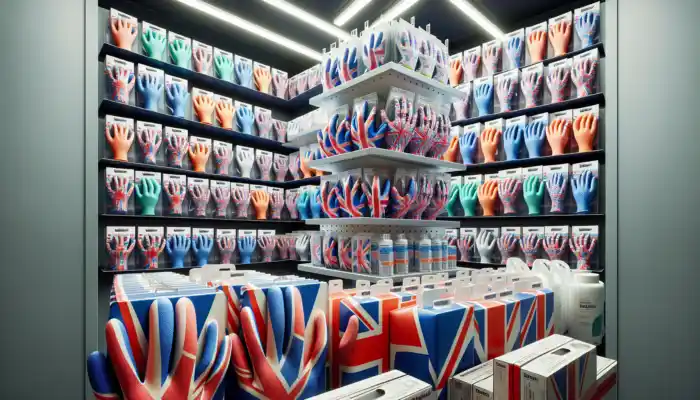
Vinyl Gloves: Uses and Suitability for Low-Risk Tasks
Comprehensive Overview of Vinyl Gloves Available in the UK
What Varieties of Vinyl Gloves Can You Find in the UK Market?

Vinyl Gloves: In the UK, vinyl gloves are available in two main categories: powdered and powder-free. These gloves are widely used across sectors, particularly in healthcare and food service, where their affordability and practicality provide vital support. For example, NHS hospitals often choose powder-free vinyl gloves to reduce the risk of allergic reactions among patients and staff. This decision reflects the increasing focus on patient safety while ensuring cost-effectiveness in medical supplies.
In food service environments such as cafes and restaurants, vinyl gloves are essential for safely handling food and for upholding hygiene standards without imposing a significant financial burden. These gloves are particularly valued for their user-friendliness and the reliable barrier they provide against common contaminants, making them a popular choice for workers who frequently change gloves throughout their shifts. Overall, the diverse applications of vinyl gloves in the UK highlight their critical role in maintaining hygiene and safety standards across various low-risk tasks.
Essential Characteristics of Vinyl Gloves Utilised in the UK
Vinyl gloves designed for the UK market are crafted to be lightweight and latex-free, making them perfect for low-risk tasks such as food preparation in British kitchens. These gloves provide a cost-effective barrier against minor contaminants and comply with stringent Health and Safety Executive (HSE) regulations, ensuring user safety and quality.
- Cost-effective for large-scale usage
- Latex-free to minimise allergy risks
- Flexible and comfortable for prolonged wear
- Available in various sizes for a better fit
- Easy to don and doff, enhancing hygiene
- Good tactile sensitivity for delicate tasks
- Compliant with HSE safety standards
The combination of these features ensures that vinyl gloves meet the requirements of various low-risk tasks across multiple sectors, from healthcare to hospitality.
Regulatory Compliance Standards for Vinyl Gloves in the UK Market
In the UK, vinyl gloves must comply with British Standards Institution guidelines for low-risk applications. This includes use in environments such as schools and care homes, where durability and minimal allergy risks are crucial. Adhering to these standards guarantees that the gloves provide adequate protection without exposing users to harmful substances or allergens.
HSE regulations specify the manufacturing and testing requirements for vinyl gloves, ensuring they are suitable for diverse environments. For example, gloves used in educational settings must be robust enough to endure the daily rigours while ensuring the safety of both staff and students. By complying with these stringent standards, manufacturers can assure their products offer the safety and reliability essential for low-risk tasks.
Expert Perspectives on Vinyl Gloves: Utilisation and Suitability for Low-Risk Tasks

Expert Evaluation of Vinyl Glove Materials in the UK
Professionals from organisations such as the British Standards Institution recommend vinyl gloves for their flexibility and suitability for low-risk environments, including community centres and schools. The material composition of vinyl gloves typically includes polyvinyl chloride (PVC), which enhances their stretchability and comfort. This adaptability is particularly advantageous in settings where users must perform tasks that require dexterity, such as preparing food or assisting patients.
When selecting compliant gloves, it is critical to ensure they meet local regulations. To do this effectively, professionals should:
- Review the latest HSE guidelines regarding glove use
- Check for quality certifications from reputable organisations
- Consider the specific tasks and risks associated with the environment
- Source gloves from established suppliers with a strong track record
By following these actionable steps, organisations can select vinyl gloves that not only meet safety standards but also provide the protection required for their unique requirements.
Expert Assessments of Suitability by UK Professionals
In the UK healthcare sector, professionals assess vinyl gloves for low-risk tasks, including examinations and patient care. Their lightweight design and ease of use are particularly beneficial in environments like dental clinics, where practitioners must uphold high hygiene standards while maintaining comfort during procedures. These evaluations often underscore the need for adequate barriers against contaminants without compromising tactile sensitivity.
Real-world examples of adoption in British practices reveal a trend towards using vinyl gloves for basic hygiene protocols. For instance, many dental practices now prefer vinyl gloves for routine patient interactions. To implement effective glove use in medical settings, professionals should consider the following steps:
- Provide training for staff on proper glove usage
- Ensure regular availability of gloves in necessary sizes
- Monitor glove condition and replace as required
- Encourage staff to report any issues with glove performance
These steps help maintain a safe, hygienic environment in healthcare settings while maximising the benefits of vinyl gloves.
Research Outcomes on Vinyl Glove Performance in the UK

Recent studies in the UK highlight the effectiveness of vinyl gloves for low-risk tasks, particularly in retail environments where frequent product handling and customer interactions occur. These studies indicate that while vinyl gloves provide sufficient protection against minor contaminants, users should remain vigilant about monitoring wear and tear, which can jeopardise their effectiveness.
Experts recommend that organisations refer to the latest Health and Safety Executive data on glove performance to inform their practices. To achieve optimal results, actions to consider include:
- Implementing regular training on glove use and awareness
- Establishing a monitoring system for the condition of gloves
- Utilising checklists for safe glove disposal
- Encouraging feedback from staff on glove usability
These practices promote a culture of safety and ensure that vinyl gloves are used effectively across various low-risk tasks throughout the UK.
How Are Vinyl Gloves Employed in Low-Risk Tasks Across the UK?
Typical Low-Risk Applications for Vinyl Gloves in the UK
In UK schools, vinyl gloves are commonly utilised for art activities, providing essential protection without being overly restrictive. These gloves are well-suited for tasks involving light chemicals, such as paint or cleaning agents, in line with local safety protocols. This usage not only protects students but also fosters good hygiene practices from an early age.
Other common applications for vinyl gloves include food preparation in school kitchens, where staff handle raw ingredients. Using gloves minimises the risk of contamination and promotes food safety. To maximise the effectiveness of vinyl gloves in educational settings, educators should consider the following applications:
- Science experiments involving safe, non-toxic materials
- Art and craft activities requiring glue or paint
- Food preparation during cooking classes
- General cleaning to uphold hygiene in classrooms
Incorporating vinyl gloves into these activities demonstrates a commitment to safety and hygiene in educational environments, ensuring a safe environment for both students and staff.
Why Do UK Workers Prefer Vinyl Gloves for Specific Tasks?
In the UK, hospitality workers often favour vinyl gloves for certain low-risk food-handling tasks, primarily due to their comfort, cost-effectiveness, and accessibility. The lightweight nature of vinyl gloves allows for extended wear without causing discomfort, which is crucial in bustling environments like restaurants and cafes.
This preference is also driven by the availability of vinyl gloves from numerous local suppliers, ensuring establishments can restock quickly. Furthermore, the cost-effectiveness of vinyl gloves makes them an appealing option for businesses striving to maintain hygiene without excessive expenditure. Key factors influencing this preference include:
- Comfort during long shifts
- Affordability for bulk purchasing
- Ease of access to local suppliers
- Effective barrier protection against minor contaminants
These considerations illustrate why vinyl gloves remain a popular choice among UK food service workers.
Illustrative Examples of Vinyl Glove Usage in Everyday UK Settings
Vinyl gloves protect against common hazards in UK homes and small businesses, particularly during gardening and light cleaning, where users may encounter dirt and mild chemicals. The gloves ensure compliance with national guidelines for minimal exposure to potential allergens and irritants, promoting a healthy working environment.
For instance, during gardening tasks, vinyl gloves help safeguard hands from soil and potential allergens while allowing users to maintain a good grip on tools. In domestic cleaning, gloves provide a barrier against cleaning agents that may irritate the skin. Common usage scenarios in everyday UK settings include:
- Household cleaning tasks involving detergents
- Gardening activities that involve soil and mulch
- Handling pet waste during clean-up
- DIY projects requiring protection from paint or glue
These applications emphasise the versatility of vinyl gloves, making them an essential tool for a range of low-risk tasks in everyday life.
Vinyl Gloves in the UK Retail and Service Sectors
In British retail environments, such as supermarkets and shops, vinyl gloves are used to handle low-risk items, including packaging and assisting customers. Their use ensures effective yet economical protection against everyday contaminants while complying with UK health and safety regulations. Retail staff frequently don these gloves to uphold hygiene standards, particularly during food handling or when interacting with customers.
For instance, employees at food counters often wear vinyl gloves while serving customers, helping prevent cross-contamination and maintain food safety protocols. The practicality and affordability of vinyl gloves make them a popular choice for retail businesses looking to balance safety with operational efficiency. Key applications in retail and service sectors include:
- Handling unpackaged food items
- Assisting customers at checkout
- Stocking shelves while minimising contamination risks
- Maintaining hygiene in shared spaces
These practices underscore the importance of vinyl gloves in ensuring a safe, hygienic shopping experience for customers and staff alike.
Regulatory Standards for Vinyl Gloves in Low-Risk UK Tasks
Under UK regulations, the Health and Safety Executive mandates that vinyl gloves meet specific criteria for low-risk activities, providing sufficient barrier protection without the complexity of more specialised equipment. This ensures compliance across sectors like education and hospitality, promoting safe practices that protect both workers and the public.
Compliance with these standards not only helps mitigate risks associated with minor contaminants but also fosters a culture of safety within organisations. Regular training and adherence to guidelines ensure staff are equipped to handle the gloves responsibly and effectively. To maintain compliance, businesses should consider the following practices:
- Conducting regular training on safe glove usage
- Maintaining records of glove supply and compliance
- Encouraging reporting of any glove-related issues
- Regularly reviewing safety protocols to ensure alignment with regulations
By adhering to these standards, organisations can promote a safer working environment, ensuring the welfare of both employees and customers.
Assessing Suitability for Specific UK Industries

What Factors Contribute to the Suitability of Vinyl Gloves in UK Healthcare?
In UK healthcare settings, such as GP surgeries and clinics, vinyl gloves are considered ideal for low-risk examinations due to their disposability and low cost. These gloves comply with NHS standards for non-sterile procedures, making them a preferred choice for healthcare professionals conducting routine tasks. Their affordability allows practices to maintain a consistent supply without straining budgets.
Moreover, vinyl gloves provide an adequate barrier against contaminants, helping ensure patient safety during examinations and interactions. Many healthcare providers find that the comfort and flexibility of vinyl gloves enhance user experience, allowing professionals to perform their duties effectively. Key aspects contributing to the suitability of vinyl gloves in healthcare include:
- Disposable nature, reducing cross-contamination risks
- Cost-effectiveness for budget-conscious practices
- Low allergy risk for sensitive patients
- Easy to don and remove, promoting hygiene
These factors collectively highlight the essential role of vinyl gloves in enhancing safety and hygiene across various healthcare settings in the UK.
Vinyl Glove Options for UK Food Services
In the UK, food service workers frequently use vinyl gloves for tasks such as serving food because they are affordable and compliant with Food Standards Agency regulations. This compliance helps ensure proper hygiene practices in cafes and restaurants, reducing the risk of foodborne illness and enhancing customer confidence. The ease of use and accessibility of vinyl gloves make them a practical choice for busy food service environments.
Key regulatory requirements for using vinyl gloves in low-risk food service tasks include:
- Ensuring gloves are free from defects and contaminants
- Regularly replace gloves to prevent cross-contamination
- Training staff on proper glove usage
- Maintaining hygiene during food preparation and service
By adhering to these regulatory requirements, food service establishments can maintain high hygiene standards while efficiently serving their customers.
Adaptations of Vinyl Gloves in UK Manufacturing
Vinyl gloves are increasingly adapted for low-risk assembly tasks in UK manufacturing environments, providing basic hand protection while adhering to workplace health directives. These gloves are designed to be durable enough for routine use, ensuring that workers can perform their tasks effectively without compromising safety. The flexibility and comfort of vinyl gloves allow for extended wear, making them suitable for various assembly processes.
In manufacturing settings, the use of vinyl gloves helps prevent product contamination during assembly, ensuring quality standards are upheld. Key adaptations and considerations for using vinyl gloves in manufacturing include:
- Choosing gloves that meet specific industry standards
- Training staff on effective glove usage and disposal
- Regularly assessing glove performance during tasks
- Implementing a monitoring system for compliance with health directives
These adaptations underscore the importance of vinyl gloves in maintaining safety and compliance within the manufacturing sector.
Vinyl Gloves in UK Education Settings
In UK schools and universities, vinyl gloves are ideal for low-risk activities like science experiments, offering affordable protection that complies with Department for Education health and safety guidelines. Their use in educational settings ensures that students and staff remain safe while engaging in hands-on learning experiences. The lightweight nature of vinyl gloves allows students to perform tasks without compromising dexterity.
Utilising vinyl gloves in educational activities can foster good hygiene practices among students, preparing them for responsible behaviour in laboratory and classroom settings. Some key applications for vinyl gloves in education include:
- Conducting science experiments with safe materials
- Participating in art activities involving paint and glue
- Handling food during cooking classes
- Maintaining cleanliness during cleaning tasks
These applications reinforce the importance of safety and hygiene in educational environments, ensuring that students can learn effectively while minimising risks.
Vinyl Gloves for UK Cleaning Services
In the UK, vinyl gloves are widely used by cleaning staff for office and home tasks, providing a cost-effective barrier against dirt and mild chemicals, in line with Health and Safety Executive regulations. Their disposable nature makes them particularly suitable for cleaning environments, where hygiene is paramount to prevent the spread of germs and contaminants.
Using vinyl gloves enables cleaning personnel to maintain high standards of cleanliness while protecting their skin from potential irritants. Key benefits of vinyl gloves for cleaning services include:
- Low cost, making them accessible for large teams
- Barrier protection against mild chemicals and dirt
- Lightweight design for comfort during extended use
- Ease of disposal to promote hygiene
These features demonstrate the practicality of vinyl gloves across various cleaning tasks, enhancing worker hygiene and safety.
Research-Backed Advantages of Vinyl Gloves: Utilisation and Suitability for Low-Risk Tasks
Expert-Backed Justifications for Using Vinyl Gloves in UK Environments
UK research consistently supports the use of vinyl gloves for low-risk office tasks, highlighting their resistance to tears and punctures during daily operations. This durability makes them an excellent choice for tasks that do not require heavy-duty protection but still necessitate a degree of safety. For instance, office staff might use vinyl gloves when handling materials that could irritate the skin, such as cleaning supplies.
Real-world examples from British workplaces demonstrate the practicality of vinyl gloves in maintaining cleanliness and safety. To maximise the benefits of vinyl gloves, organisations should consider implementing the following actionable steps:
- Providing training on proper glove usage and disposal
- Establishing a protocol for monitoring glove condition
- Encouraging feedback from employees on glove performance
- Regularly reviewing safety procedures and standards
These measures will help ensure a safer work environment and enhance the effectiveness of glove use across various contexts.
Benefits Emphasised in UK Studies on Vinyl Gloves
Studies conducted by UK institutions highlight the suitability of vinyl gloves for low-risk cleaning tasks, emphasising their role in reducing allergy risks in settings such as schools and offices. The findings suggest that vinyl gloves provide adequate protection without exposing users to latex, which can cause allergic reactions for some individuals. This benefit is critical in promoting a safe environment for all users.
Experts recommend using vinyl gloves for everyday protection across settings such as food handling, cleaning, and general maintenance. To leverage these benefits effectively, users should consider:
- Choosing quality vinyl gloves that meet safety standards
- Training staff on best practices for glove usage
- Encouraging regular glove changes to maintain hygiene
- Monitoring for any signs of wear or damage
By following these recommendations, organisations can ensure that vinyl gloves are used effectively, providing essential protection across different tasks.
How Does Vinyl Compare in UK Low-Risk Contexts?
In the UK, vinyl gloves offer better value for low-risk tasks than alternatives such as latex or nitrile, particularly in settings where disposable gloves are frequently needed. Local trials in retail and food service demonstrate that vinyl gloves are praised for their cost-effectiveness and disposability, making them suitable for high-turnover environments.
Moreover, the lightweight design of vinyl gloves makes them easy to use, ensuring workers can perform tasks without feeling restricted. In practice, the affordability of vinyl gloves means businesses can maintain an adequate supply without incurring prohibitive costs. Key comparisons favouring vinyl gloves include:
- Lower cost compared to latex and nitrile options
- Good enough barrier protection for low-risk tasks
- Widespread availability from local suppliers
- Minimal allergy concerns, especially with latex-free options
These advantages highlight the practical benefits of vinyl gloves for a range of low-risk applications across the UK.
What Factors Make Vinyl Gloves Suitable for Low-Risk Tasks?
Key Factors Contributing to the Suitability of Vinyl Gloves in the UK
Vinyl gloves excel in UK low-risk scenarios due to their elasticity and comfort, making them particularly useful in settings such as beauty salons for basic protection during treatments. Their lightweight design makes them a sensible option for tasks that require frequent glove changes, allowing users to put them on and take them off quickly.
This flexibility is critical in environments requiring dexterity, allowing professionals to perform delicate tasks while remaining protected from minor hazards. In addition to their comfort, vinyl gloves also offer:
- Cost-effectiveness for bulk use
- Low allergy risk, making them suitable for various users
- Easy disposal to maintain hygiene
- Wide range of sizes to fit different users
The combination of these factors illustrates why vinyl gloves are a preferred choice for many low-risk applications in the UK.
Are There Limitations to the Use of Vinyl Gloves in UK Applications?
UK users have noted that vinyl gloves are less durable during extended wear, making them less suitable for certain low-risk jobs in warehouses or heavy-duty environments. While they are suitable for quick tasks, their performance can degrade with prolonged use, potentially leading to tears or punctures during intensive activities.
Workers in industries that require more robust protection may find that vinyl gloves are insufficient. In these cases, alternatives such as nitrile gloves may be more appropriate. Key limitations to consider include:
- Reduced durability over prolonged wear
- Less suitable for tasks involving sharp objects
- Limited chemical resistance compared to nitrile options
- Potential for allergic reactions in sensitive users when using non-latex variants
Understanding these limitations helps users make informed glove selections for specific tasks and environments.
Factors Influencing the Choice of Vinyl Gloves in UK Settings
In the UK, factors such as cost-effectiveness, availability, and user comfort strongly influence the choice of vinyl gloves for low-risk tasks in public services and other sectors. The affordability of vinyl gloves allows organisations to equip larger teams without exceeding budget constraints, making them an attractive option for many businesses.
Moreover, the availability of vinyl gloves from local suppliers enables companies to restock quickly, maintaining compliance with hygiene regulations. Comfort is another critical factor; gloves that fit well and allow for easy movement are more likely to be used consistently by staff. Additional factors influencing the choice include:
- Compliance with safety regulations
- Specific task requirements and exposure risks
- Feedback from employees on usability and comfort
- Trends in the industry for glove usage
These considerations help organisations select the most suitable gloves for their needs while upholding safety and hygiene standards.
Common Applications of Vinyl Gloves in UK Settings
How Are Vinyl Gloves Utilised in UK Education?
Vinyl gloves are widely used in UK schools for science experiments, providing low-risk barrier protection in line with educational guidelines. Using these gloves helps ensure students remain safe during hands-on learning. Their lightweight, flexible design makes them suitable for a range of applications, allowing students to perform tasks without sacrificing dexterity.
Key applications for vinyl gloves in education include the following:
- Conducting experiments involving non-toxic materials
- Art activities that require protection from paints or adhesives
- Handling food during cooking classes or nutrition lessons
- Cleaning tasks to maintain hygiene in classrooms and labs
By incorporating vinyl gloves into these educational activities, schools promote a culture of safety and hygiene, fostering responsible behaviour among students during practical learning experiences.
Everyday Uses of Vinyl Gloves in UK Homes
In British households, vinyl gloves are used for low-risk chores such as dishwashing and cleaning, providing a simple defence against irritants and contaminants. Their disposable nature allows users to maintain hygiene without the hassle of cleaning reusable gloves, making them a practical choice for everyday tasks.
For example, during dishwashing, vinyl gloves protect users’ hands from hot water and detergent, minimising skin irritation. Everyday tasks benefiting from vinyl gloves include:
- Cleaning surfaces with disinfectants
- Handling raw food ingredients during meal prep
- Gardening activities that involve soil
- Minor repairs or DIY projects where protection from paint is needed
These applications demonstrate the versatility and practicality of vinyl gloves in British households, ensuring safety and cleanliness for users.
Vinyl Gloves in UK Recreational Activities
Vinyl gloves are suitable for low-risk hobbies in the UK, such as crafting and painting, and are readily available in local stores and online. The affordability and practicality of vinyl make it an excellent choice for individuals engaging in various recreational activities that may involve messy materials or potential irritants.
For instance, crafters often use vinyl gloves when working with glue, paint, or other art supplies, keeping their hands clean and protected from chemicals and dyes. Key applications for vinyl gloves in recreational activities include:
- Crafting that involves paint or adhesive
- Gardening tasks that require hand protection
- Cooking and baking, especially with sticky ingredients
- Cleaning up after messy activities to maintain hygiene
These examples illustrate the important role vinyl gloves play in supporting safe and enjoyable recreational experiences.
Vinyl Gloves in UK Healthcare Settings
In British healthcare settings, such as community clinics and GP practices, vinyl gloves are used for low-risk tasks, including basic wound care and patient interactions, in line with NHS infection-control guidelines. Their affordability, latex-free composition, and effective barrier protection make them a go-to choice for many healthcare professionals.
In these settings, vinyl gloves provide practitioners with the necessary protection while ensuring patient safety during examinations and routine procedures. Key applications of vinyl gloves in healthcare include:
- Performing routine patient examinations safely
- Handling medical equipment and supplies
- Caring for minor injuries and wounds
- Maintaining hygiene during patient interactions
These applications highlight the critical role of vinyl gloves in ensuring safe, hygienic healthcare practices.
Vinyl Gloves in UK Workplace Environments
In UK offices and light-industrial settings, vinyl gloves protect against minor hazards during tasks such as handling chemicals in laboratories or performing maintenance. In line with Health and Safety Executive standards, these gloves provide durable, cost-effective protection for routine activities, ensuring employees can perform their duties safely.
For example, maintenance workers might wear vinyl gloves while cleaning equipment or handling non-hazardous materials, ensuring their hands are protected without compromising dexterity. Common uses for vinyl gloves in workplace environments include:
- Handling cleaning chemicals safely
- Maintaining equipment in light industrial settings
- Performing administrative tasks involving potential irritants
- Ensuring hygiene during food handling in staff kitchens
These applications demonstrate the importance of vinyl gloves in providing essential protection across various workplace settings, thereby contributing to overall safety and hygiene.
Why Opt for Vinyl Gloves Over Other Alternatives in the UK?
What Benefits Do Vinyl Gloves Provide in the UK?
In the UK, vinyl gloves are favoured for low-risk tasks such as food handling and light cleaning due to their affordability and practicality, distinguishing them from pricier alternatives like nitrile or latex gloves. Their cost-effectiveness allows businesses to uphold hygiene standards without incurring high costs, which is especially vital for small enterprises.
The lightweight, comfortable design of vinyl gloves enables workers to perform tasks with ease, reducing fatigue during long shifts. Additionally, vinyl gloves are readily available from various suppliers, making them accessible to businesses of all types. Advantages of vinyl gloves include:
- Lower cost compared to latex and nitrile options
- Good barrier protection for low-risk tasks
- Widespread availability from local suppliers
- Minimal risk of allergic reactions for most users
These advantages highlight why vinyl gloves remain a popular choice across various sectors in the UK.
How Does Vinyl Perform in UK-Specific Conditions?
UK weather and usage patterns indicate that vinyl gloves perform well in low-risk outdoor tasks, such as park maintenance and gardening. The flexibility and comfort of vinyl make it easy for users to maintain functionality, even in outdoor environments where conditions may vary.
Moreover, vinyl gloves are designed to withstand typical outdoor conditions, providing adequate protection against minor irritants while allowing for tasks that require dexterity. For optimal performance in UK-specific conditions, users should consider the following aspects:
- Choosing gloves that fit well to prevent slippage
- Regularly inspecting gloves for wear and damage
- Switching gloves as necessary, especially in damp conditions
- Ensuring gloves are stored correctly to maintain integrity
These considerations will help ensure that vinyl gloves perform effectively in various low-risk outdoor applications.
Comparative Analysis of Vinyl with Other Gloves in the UK
Vinyl gloves are popular in the UK for low-risk applications because of their lightweight feel compared with heavier options such as nitrile or latex. While nitrile provides superior durability, vinyl offers a more comfortable experience for tasks that necessitate frequent glove changes, such as food handling or light cleaning.
This comparison highlights the balance between durability and comfort. Vinyl gloves offer an excellent compromise for users who need adequate protection without the bulkiness of other glove types. Key comparisons include:
- Lightweight design for comfort
- Lower cost, making them accessible
- Good enough for low-risk tasks without excess bulk
- Fewer allergy concerns compared to latex options
These points illustrate why vinyl gloves remain a preferred choice for many professionals in the UK across various industries.
Maintenance and Disposal Practices in the UK
Proper Storage Techniques for Vinyl Gloves in UK Environments
In the UK, proper storage of vinyl gloves is critical to ensure they remain effective for low-risk tasks. Storing gloves in cool, dry places protects them from excessive heat or moisture, which could degrade their material integrity over time. Following national guidelines for glove storage helps maintain their quality and usability.
Additionally, it is essential to keep gloves away from direct sunlight, as UV exposure can weaken the materials. Proper storage practices include:
- Keeping gloves in their original packaging until use
- Storing in a cool, dry area away from chemicals
- Avoiding contact with sharp objects that could puncture the packaging
- Regularly checking storage conditions to ensure compliance
Implementing these storage practices helps to maximise the lifespan and effectiveness of vinyl gloves in various applications.
Disposal Methods for Vinyl Gloves in the UK
UK regulations require recycling or safe disposal of vinyl gloves after low-risk use to minimise environmental impact. Proper disposal methods are essential to prevent gloves from contributing to plastic waste and to align with the country’s broader sustainability goals.
Users should be informed about local recycling facilities that accept vinyl materials and guidelines for safe disposal. Key disposal practices include:
- Following local regulations for hazardous waste disposal
- Using designated bins for glove disposal
- Encouraging recycling where possible
- Training staff on proper disposal methods and environmental impacts
By adhering to these disposal practices, organisations can significantly reduce their environmental footprint while ensuring compliance with waste management regulations.
Long-Term Care Tips for Vinyl Gloves in UK Settings
For ongoing low-risk use in the UK, regularly inspecting vinyl gloves helps maintain safety standards and ensures they remain fit for purpose. Users should be vigilant for signs of wear, such as tears or discolouration, that could compromise their protective capabilities.
Additionally, storing gloves properly, away from potential contaminants, enhances their longevity. Best practices for long-term care include:
- Conducting regular checks for signs of damage or degradation
- Maintaining proper storage conditions to preserve glove integrity
- Replace gloves as soon as they show wear
- Educating staff on the importance of glove care
These practices are vital for ensuring that vinyl gloves provide reliable protection over time.
Cleaning and Maintenance Routines for Vinyl Gloves in the UK
In the UK, cleaning vinyl gloves for low-risk tasks involves using mild, non-abrasive cleaners and ensuring they are completely dry before storage. Following guidelines from national health bodies promotes safety and helps prevent glove degradation, extending their usable life.
Individuals should be advised to avoid harsh chemicals that could compromise the glove material. Best practices for cleaning and maintenance include:
- Using warm water and mild detergent for cleaning
- Rinse thoroughly to remove all soap residues
- Air drying completely before storage to prevent mould growth
- Storing in a clean, dry area away from contaminants
By following these cleaning protocols, users can ensure that vinyl gloves remain hygienic and effective for low-risk applications.
Environmental Impact Assessment for Disposable Vinyl Gloves in the UK
In the UK, assessing the environmental impact of vinyl glove disposal requires evaluating recycling options and following government directives to minimise plastic waste in low-risk settings. This assessment is crucial in promoting sustainable practices and encouraging organisations to adopt more environmentally friendly disposal methods.
Users should be aware of local initiatives to increase vinyl recycling and the importance of reducing landfill waste. Key considerations for environmental impact assessments include:
- Researching local recycling facilities that accept vinyl materials
- Understanding the lifecycle of vinyl products and their environmental footprint
- Implementing waste reduction strategies in the workplace
- Educating staff on the importance of sustainable disposal practices
By comprehensively assessing the environmental impact of vinyl glove disposal, organisations can take meaningful steps towards sustainability while ensuring compliance with waste management regulations.
Frequently Asked Questions
What Materials Are Vinyl Gloves Made From?
Vinyl gloves are primarily composed of polyvinyl chloride (PVC), which offers flexibility and comfort for low-risk tasks and is latex-free to reduce the risk of allergic reactions.
Can Vinyl Gloves Be Utilised for Food Handling?
Yes, vinyl gloves are frequently used for food handling in various settings, including restaurants and schools, as they provide an adequate barrier against contaminants.
Are Vinyl Gloves Appropriate for Medical Applications?
Vinyl gloves are suitable for low-risk medical applications, such as routine examinations and patient interactions, due to their disposability and compliance with safety standards.
How Do Vinyl Gloves Compare to Nitrile Gloves?
While vinyl gloves are more affordable and comfortable for low-risk tasks, nitrile gloves offer superior durability and chemical resistance, making them preferable for high-risk applications.
What Are the Advantages of Using Vinyl Gloves?
Benefits of vinyl gloves include cost-effectiveness, latex-free materials to prevent allergic reactions, and adequate protection for low-risk tasks such as food handling and cleaning.
Can Vinyl Gloves Be Recycled?
Vinyl gloves can be recycled at designated facilities; however, users should check local regulations on proper disposal to minimise environmental impact.
How Should Vinyl Gloves Be Stored?
Vinyl gloves should be stored in a cool, dry place, away from direct sunlight and chemicals, to maintain their quality and effectiveness.
How Frequently Should Vinyl Gloves Be Replaced?
Vinyl gloves should be replaced after each use or as soon as they show signs of wear, such as tears or discolouration, to ensure adequate protection.
What Are the Limitations of Vinyl Gloves?
Vinyl gloves are less durable for extended wear and are less suitable for tasks involving sharp objects or heavy-duty applications than nitrile gloves.
Are Vinyl Gloves Safe for Individuals with Sensitive Skin?
Vinyl gloves are generally safe for sensitive skin because they are latex-free; however, individual reactions can vary, so users should monitor for irritation.
Join us on Facebook today!


About author


Add comment