
No products in the cart.
Return To Shop



Where Are Nitrile Gloves Used in Different Sectors
Exploring Nitrile Gloves in the UK Healthcare Sector
What are the different types of nitrile gloves used in UK hospitals?
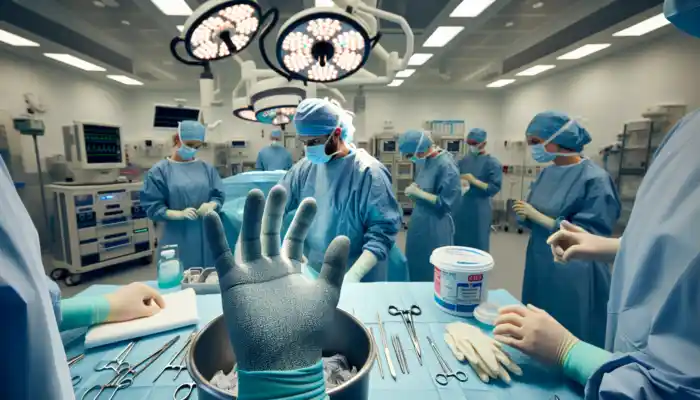
Where Are Nitrile Gloves Used in Different Sectors: In the UK’s healthcare facilities, a wide range of nitrile gloves is utilised to provide essential protection against contaminants during various medical procedures. These gloves are preferred for their robust barrier against biological hazards, particularly in surgical and patient care environments. Within the National Health Service (NHS), distinct nitrile glove variants are used, each designed for specific medical applications. The most common types include examination, surgical, and heavy-duty nitrile gloves. The selection of gloves often hinges on the specific procedure, the required level of protection, and adherence to health guidelines.
Examination gloves are typically used for routine tasks, including patient assessments and minor medical procedures. They are designed for exceptional tactile sensitivity, enabling healthcare professionals to perform their tasks accurately and efficiently. Surgical gloves, in contrast, provide a higher level of protection and are usually sterile, making them ideal for invasive procedures where infection risk is paramount. Heavy-duty nitrile gloves are specifically designed for applications requiring enhanced durability, such as handling hazardous materials or in specific surgical scenarios.
- Examination gloves: Perfect for routine patient care.
- Surgical gloves: Sterile and made for invasive procedures.
- Heavy-duty gloves: Best suited for handling hazardous substances.
- Textured gloves: Improve grip for precise handling.
- Powder-free gloves: Reduce allergy risks and contamination.
- Anti-static gloves: Used for handling specific medical devices.
- Disposable gloves: Ensure hygiene and prevent cross-contamination.
- Biodegradable options: Emerging eco-friendly alternatives.
The role of these gloves in infection control is critical, as highlighted in British medical guidelines, which underline the significance of proper glove selection in minimising healthcare-associated infections.
Key Applications of Nitrile Gloves in UK Medical Environments
Nitrile gloves are essential across various UK medical settings, including clinics, hospitals, and ambulances. Their primary function is to create a reliable barrier against pathogens, ensuring the safety of both healthcare professionals and patients. In clinics, nitrile gloves are widely used during patient examinations and minor procedures, where the risk of contamination is high. Their inherent chemical resistance enables safe handling of various medical products and cleaning agents, thereby strengthening safety protocols.
In the fast-paced environment of ambulances, the immediate-response nature of emergency services requires durable nitrile gloves. Paramedics rely on these gloves for patient examinations, medication administration, and life-saving procedures in the field. The gloves’ resistance to tears and punctures provides an additional layer of safety in high-pressure situations. Furthermore, as infectious disease incidence rises, adherence to British health protocols on glove use has become even more critical, underscoring the essential role of nitrile gloves in everyday medical practice.
In summary, the durability and versatility of nitrile gloves enable healthcare professionals to perform their duties with confidence, knowing they are protected against potential hazards in their work environments.
Benefits for UK Nursing Staff: How Do Nitrile Gloves Enhance Safety for Nurses in the UK?
Nitrile gloves significantly enhance safety for nursing staff throughout the UK by providing vital protection against biohazards present in various medical settings. The utilisation of these gloves reduces the risk of exposure to infectious materials, which is crucial in wards and community care environments. Unlike latex gloves, nitrile gloves are free of latex, thereby minimising the risk of allergic reactions among staff, a common concern in healthcare settings.
In addition to addressing allergy concerns, nitrile gloves are engineered to be comfortable and flexible, facilitating movement during tasks that demand precision. This is particularly important in nursing, where professionals frequently perform intricate procedures such as inserting intravenous lines or dressing wounds. The combination of comfort and dexterity ensures that nurses can fulfil their responsibilities without compromising safety.
Moreover, the chemical resistance of nitrile gloves enhances their applicability across a range of nursing tasks. For example, when administering medications or dealing with cleaning agents, these gloves provide the necessary protection without the risk of degradation or contamination. Consequently, nitrile gloves not only safeguard nurses but also elevate the standards of patient care across UK healthcare facilities.
Understanding Regulatory Standards for Nitrile Gloves in the UK
The regulatory framework governing nitrile gloves in the UK is rigorous, ensuring that these essential protective items meet high safety and quality standards. The Medicines and Healthcare products Regulatory Agency (MHRA) monitors the compliance of medical gloves, including nitrile types, with relevant legislation. Gloves used in healthcare settings must comply with British Standards (BS) and European Union (EU) regulations, which specify exact requirements for performance, safety, and manufacturing processes.
Compliance with these regulatory frameworks is essential for NHS procurement, as it ensures that gloves supplied to healthcare workers meet required quality standards. For example, nitrile gloves must demonstrate adequate barrier protection, puncture resistance, and chemical safety, as outlined in ISO standards. Regular audits and evaluations are conducted to ensure suppliers comply with these regulations, fostering trust in the products used within UK healthcare systems.
Additionally, manufacturers are encouraged to maintain transparency in their production processes and materials. This commitment to quality assurance protects healthcare professionals and patients, further solidifying the essential role of nitrile gloves in safe medical practice throughout the UK.
Environmental Considerations for Nitrile Gloves in UK Healthcare
As the healthcare sector increasingly acknowledges its environmental impact, discussions regarding the sustainability of nitrile gloves have come to the forefront. Traditional nitrile gloves are not biodegradable, contributing to growing concerns over medical waste. In response, UK health authorities are exploring sustainable alternatives and advocating for best disposal practices. Initiatives to reduce the environmental footprint of nitrile gloves include recycling programmes and the development of biodegradable options.
Proper disposal methods are vital in mitigating the environmental impact of nitrile gloves. Healthcare facilities are encouraged to implement waste segregation policies to ensure that used gloves are disposed of in accordance with local regulations. Some facilities are investigating innovative approaches, such as incineration for medical waste, which reduces landfill contributions and recycles energy.
Furthermore, the promotion of eco-friendly alternatives by British health authorities aims to inspire manufacturers to invest in research and development of biodegradable nitrile gloves. Ideally, such gloves would maintain the same level of protection while offering a more sustainable lifecycle. As the demand for environmentally conscious products rises, the landscape of nitrile glove usage in UK healthcare settings is poised for transformation, paving the way for a more responsible approach to medical waste management.
What Are the Primary Uses of Nitrile Gloves in the UK?
Primary Sectors Embracing Nitrile Gloves

Nitrile gloves are widely used across sectors in the UK, particularly in laboratories and cleanrooms, where handling chemicals and sensitive materials is routine. These gloves are crucial for maintaining safety standards by providing a protective barrier against hazardous substances that could pose health risks to workers. In laboratory settings, nitrile gloves are preferred for their superior chemical resistance, allowing researchers and technicians to perform tasks without fear of exposure to hazardous materials.
In cleanroom environments, where contamination control is critical, nitrile gloves are a fundamental component of personal protective equipment (PPE). Their anti-static properties and ability to minimise particle generation make them ideal for industries such as pharmaceuticals, electronics, and biotechnology. Workers in these sectors rely heavily on nitrile gloves to protect not only themselves but also the integrity of the products they work with.
The incorporation of nitrile gloves into standard operating procedures across British research facilities reflects a dedication to maintaining high safety standards. By ensuring these gloves are readily available and properly used, sectors can significantly reduce contamination risks and enhance overall safety in their operations.
How Have Nitrile Gloves Evolved in UK Usage?
Ongoing advances in materials technology and manufacturing processes have driven growth in nitrile glove production in the UK. Originally intended as a durable alternative to latex gloves, nitrile gloves have undergone significant enhancements in grip, comfort, and puncture resistance. These improvements have made them increasingly popular across industries and have enabled them to adapt to the specific demands of UK workplaces.
One notable innovation is the introduction of textured surfaces on nitrile gloves, which enhances grip and dexterity. This feature is particularly valuable in industrial environments where workers must safely handle tools and machinery. Additionally, advances in glove thickness have led to products that provide both protection and tactile sensitivity, enabling users to perform intricate tasks with ease.
Furthermore, as environmental concerns have gained prominence, manufacturers are responding by exploring eco-friendly nitrile options. The shift towards sustainable materials and production methods reflects a growing awareness of the necessity to lessen the ecological footprint of medical and industrial supplies. This evolution not only meets users’ functional needs but also aligns with broader sustainability trends, ensuring nitrile gloves remain relevant and effective in the UK market.
Specific Roles of Nitrile Gloves in UK Workplaces
Nitrile gloves play a multifaceted role across a variety of UK workplaces, providing reliable hand protection in numerous professions. In environments such as cleaning services, the food industry, and maintenance, these gloves are invaluable for protecting workers from harmful substances and contaminants. In cleaning contexts, for instance, nitrile gloves protect staff from chemicals found in cleaning agents, ensuring safety during routine maintenance tasks.
The food industry also heavily utilises nitrile gloves, particularly in kitchens and food processing plants, where hygiene is paramount. Their resistance to oils and liquids allows food handlers to maintain dexterity while preventing cross-contamination during food preparation. This versatility makes them a preferred choice for chefs and food service workers, who require gloves that withstand rigorous use while ensuring compliance with health and safety regulations.
Additionally, in industrial and manufacturing settings, nitrile gloves are essential for reducing workplace injuries. They protect employees from cuts, abrasions, and exposure to hazardous materials, fostering a safer working environment. The adaptability and protective qualities of nitrile gloves ensure that they meet the diverse needs of UK workplaces, enhancing safety and efficiency across sectors.
The Indispensable Role of Nitrile Gloves in UK Healthcare Environments
Nitrile gloves are crucial in UK healthcare environments, serving as a frontline defence against infections and contaminants. Their widespread use in hospitals and clinics underscores their critical role in safeguarding both healthcare workers and patients during medical examinations and procedures. The significance of these gloves is heightened in NHS settings, where strict adherence to health standards is vital to reducing the risk of cross-contamination.
Utilising nitrile gloves during examinations allows healthcare professionals to perform their duties with assurance, knowing they are shielded from potential biohazards. For instance, in blood tests or minor surgical procedures, gloves serve as a barrier that prevents contact with infectious agents. This not only protects the healthcare worker but also ensures patient safety during treatment.
Moreover, nitrile gloves are recognised for their durability and puncture resistance, making them suitable for a range of medical applications. Their superior performance in high-stakes environments, such as operating theatres, underscores the importance of selecting the appropriate glove type for the task. Consequently, nitrile gloves have become a staple in UK healthcare, driving improvements in patient safety and care standards throughout the sector.
Nitrile Gloves in UK Food Industry Applications
The UK food industry relies heavily on nitrile gloves to uphold hygiene standards during food preparation and handling. These gloves are essential for preventing contamination in kitchens, processing plants, and catering services, where cleanliness is critical. Their use not only complies with food safety regulations but also helps ensure food remains safe for consumption.
Nitrile gloves offer significant advantages when handling perishables, as they resist oils, fats, and other food substances. This quality is particularly beneficial for food handlers, who often need to maintain dexterity while working with ingredients. The ability to manage both hot and cold food items without compromising safety or hygiene is crucial in fast-paced kitchen environments.
Moreover, the introduction of nitrile gloves has helped food establishments address allergy concerns associated with latex. By utilising nitrile, restaurants and food manufacturers can protect customers with latex allergies while maintaining strict hygiene practices. The adaptability and reliability of nitrile gloves have made them a cornerstone of operational protocols in the UK food industry, ensuring that safety and quality remain top priorities.
Expert Insights on Nitrile Gloves Across Different Sectors

Expert Analysis of UK Healthcare Applications
The role of nitrile gloves in the UK healthcare sector is critical and has been extensively analysed in various studies. The efficacy of these gloves in reducing infection rates during medical procedures is well documented, underscoring their importance in maintaining patient safety. By adhering to best practices for glove selection and use, healthcare professionals can significantly mitigate the risk of cross-contamination.
Real-world examples from NHS reports demonstrate the successful integration of nitrile gloves into infection control protocols. For instance, during the recent pandemic, increased glove use was pivotal in managing the spread of infection within healthcare facilities. The consistency of nitrile gloves across medical procedures underscores their role in safeguarding both healthcare workers and patients.
Moreover, expert insights emphasise the need to train healthcare staff in the proper use of nitrile gloves. Effective education on glove selection, application, and disposal practices enhances the effectiveness of infection control measures. This focus on training ensures that healthcare professionals are equipped to utilise nitrile gloves to their fullest potential, reinforcing their status as an essential component of UK healthcare standards.
Insights into UK Industrial Sectors
In the UK industrial landscape, the adoption of nitrile gloves has gained momentum due to their remarkable contribution to worker safety. These gloves are increasingly integrated into manufacturing processes to protect employees from hazardous materials and potential injuries. Thus, nitrile gloves across industrial sectors such as engineering and construction demonstrate their versatility and effectiveness.
Expert analysis shows that the use of nitrile gloves is associated with fewer workplace accidents. By providing a reliable barrier against chemicals and abrasives, these gloves enable workers to perform their tasks with confidence. Actionable steps for integrating nitrile gloves into UK manufacturing processes include conducting regular risk assessments, providing employee training, and maintaining a consistent supply of gloves tailored to specific tasks.
Furthermore, as industries evolve and expand, the demand for nitrile gloves is expected to grow. By adapting to challenges across sectors, nitri have become a vital component of safety protocols. This continuous evolution ensures that workers in the UK can work in safer environments, ultimately increasing productivity and reducing injury rates.
Trends in UK Professional Environments
The trend of recommending nitrile gloves in UK professional environments is gaining traction, particularly as safety regulations become more stringent. As businesses increasingly recognise the importance of protecting their employees, the adoption of nitrile gloves for handling hazardous materials is becoming standard practice. These gloves provide a reliable barrier against chemicals, dirt, and other contaminants, ensuring that workers maintain high safety standards.
Expert recommendations suggest that businesses should take proactive measures to integrate nitrile gloves into their operations. This involves conducting thorough risk assessments to determine where glove use is necessary and providing employees with training. By properly using a culture of safety, organisations can significantly reduce the likelihood of workplace accidents and enhance overall compliance with UK safety regulations.
Moreover, the ongoing evolution of nitrile glove technology enables professionals to choose gloves that meet specific industry requirements. With advancements that improve grip, comfort, and resistance to various substances, nitrile gloves’ versatility makes them an ideal choice across diverse professional environments in the UK.
Expert Analysis of Nitrile Gloves in the UK Food and Hospitality Sectors
In the food and hospitality sectors, expert insights support the use of nitrile gloves, highlighting their effectiveness in preventing cross-contamination. Rigorous health and safety guidelines governing food handling require the use of high-quality gloves to ensure consumer safety. Nitrile gloves, with their reliable barrier properties, are essential for safeguarding both food handlers and customers from potential foodborne illnesses.
Practical examples from industry audits show that establishments that adopt nitrile gloves in their operating procedures experience fewer hygiene-related incidents. This adherence to food safety guidelines not only protects public health but also enhances the reputation of businesses within the hospitality sector. As consumer awareness of food safety increases, the importance of using nitrile gloves remains paramount.
Furthermore, nitrile gloves’ adaptability to various food-preparation tasks allows workers to maintain dexterity while maintaining hygiene. This balance is crucial in the fast-paced environment of kitchens, where efficiency and safety must go hand in hand. As expert recommendations continue to shape best practices in food handling, the role of nitrile gloves remains central to ensuring compliance with UK food safety regulations.
Applications of Nitrile Gloves in UK Educational Settings
Nitrile gloves are increasingly recognised as essential protective gear in UK educational settings, particularly in science labs and workshops. Experts recommend their use to safeguard students and staff during practical experiments, where exposure to hazardous materials is a concern. Implementing nitrile gloves in schools and universities not only enhances safety but also promotes a culture of responsibility for health and safety protocols.
Strategies for compliance with UK educational health regulations include regular training sessions for both students and staff, emphasising the importance of proper glove usage during experiments. The availability of nitrile gloves in educational settings ensures that safety measures are integrated into the learning experience, fostering an environment where students can engage in hands-on activities without compromising their safety.
Furthermore, the durability and chemical resistance of nitrile gloves make them an ideal choice for a wide range of applications, from chemistry to biology. As educational institutions continue to prioritise student safety, the adoption of nitrile gloves is expected to grow, reinforcing their status as a crucial element in the educational landscape across the UK.
How Do UK Industries Benefit from Nitrile Gloves?
Advantages of Nitrile Gloves in UK Manufacturing
Nitrile gloves offer substantial advantages in UK manufacturing, particularly in enhancing productivity and worker safety. The gloves’ superior dexterity enables employees to handle intricate components and tools with confidence, significantly reducing the risk of accidents on assembly lines. As manufacturing processes become more complex, the need for reliable hand protection has never been more critical.
Furthermore, the protective qualities of nitrile gloves shield workers from harmful substances, including chemicals and abrasives, prevalent in various manufacturing environments. This not only protects employees but also reduces production interruptions caused by injuries. Maintaining high safety standards improves efficiency and reduces downtime, ultimately benefiting the overall productivity of UK manufacturing.
Additionally, nitrigloves ‘ additional flexibility enables specific manufacturing to meet. Innovations in glove technology, such as enhanced grip and comfort, create an environment in which workers can perform their tasks efficiently, leading to higher output. As industries continue to evolve, the reliance on nitrile gloves for hand protection will remain a fundamental aspect of the UK’s manufacturing landscape.
Why Are Nitrile Gloves Preferred in UK Food Services?
Nitrile gloves are crucial for maintaining hygiene standards in the UK food services industry, ensuring safe handling of food products and preventing contamination. The gloves’ resistance to oils and liquids allows chefs and food service workers to work effectively without compromising food safety. Slip-resistant texture enhances grip when handling wet or greasy items, which is essential in fast-paced kitchen environments.
Moreover, the use of nitrile gloves addresses allergy concerns that may arise from latex usage. By opting for nitrile, food establishments can protect customers with latex allergies while maintaining a commitment to hygiene. This consideration is increasingly important as more consumers become aware of food safety and allergen management.
Furthermore, safety requirements require appropriate measures. Nitrile gloves not only comply with these regulations but also reinforce best practices in food handling. As the food industry continues to prioritise safety and quality, the preference for nitrile gloves will undoubtedly strengthen, ensuring that hygiene and customer satisfaction remain at the forefront of operations.
Benefits for UK Construction Workers
Nitrile gloves provide essential protection for construction workers in the UK, safeguarding them against hazards such as chemicals encountered on job sites. Their lightweight design offers comfort and flexibility, allowing workers to wear them for extended periods without compromising dexterity. This is particularly advantageous in construction, where tasks often require precise handling of tools and materials.
In addition to their protective qualities, nitrile gloves enhance workers’ confidence when handling potentially hazardous substances. Protecting hands from cuts, scrapes, and chemical exposure, these gloves help ensure a safer working environment on construction sites. The peace of mind that comes with knowing they are adequately protected allows workers to focus on their tasks, ultimately improving productivity.
Moreover, nitrile gloves are durable and can withstand the wear and tear of construction. The glove’s texture helps workers maintain focus and efficiency throughout the day. As safety regulations continue to evolve, the importance of nitrile gloves in protecting UK construction workers cannot be overstated.
Research-Backed Benefits of Nitrile Gloves Across Various Sectors
Evidence from UK Studies on Healthcare
Research conducted in the UK has consistently demonstrated the effectiveness of nitrile gloves in reducing infection rates within healthcare settings. Studies have shown that using nitrile gloves during medical procedures significantly reduces the risk of contamination and subsequent infections, underscoring their necessity in clinical settings. The data underscores the cost-effectiveness of nitrile gloves, making them an indispensable element in infection control protocols.
Real-world examples from UK trials indicate that implementing nitrile gloves leads to measurable improvements in patient safety outcomes. Healthcare facilities that prioritise the use of nitrile gloves report fewer healthcare-associated infections (HAIs), ultimately improving patient health outcomes. This evidence solidifies the role of nitrile gloves as a foundational component of safe medical practice.
Moreover, ongoing research is exploring innovations in glove technology to enhance their effectiveness further. By adopting these advancements, healthcare providers can maintain high standards of safety and quality, ensuring that nitrile gloves remain an integral part of the UK healthcare system.
Benefits of Nitrile Gloves in UK Educational Labs
The use of nitrile gloves in UK educational labs is supported by research highlighting their protective qualities during scientific experiments. Implementing these gloves not only safeguards students and staff from hazardous materials but also fosters a culture of safety and responsibility in educational settings. Actionable steps for utilising nitrile gloves include ensuring they are available in all science labs and incorporating their use into health and safety training programmes.
Research shows that students who use nitrile gloves during experiments are less likely to experience accidents or injuries, thereby promoting a safer learning environment. The gloves enable students to engage with materials confidently, knowing they are protected from potential hazards. This focus on safety not only enhances the educational experience but also prepares students for future professional environments where proper PPE use is paramount.
In addition, educational institutions that adopt nitrile gloves as standard practice reinforce their commitment to health and safety regulations. By integrating these gloves into laboratory settings, schools and universities promote responsible behaviour and instil lifelong safety habits in students, ensuring they understand the importance of personal protective equipment.
Applications of Nitrile Gloves in UK Retail Environments
Nitrile gloves play a significant role in UK retail environments, particularly in maintaining cleanliness and safety during daily operations. Research indicates that retail staff who wear nitrile gloves during cleaning and handling of food experience fewer contamination incidents and fewer hygiene breaches. This emphasis on safety not only protects employees but also fosters consumer trust in the establishment.
The versatility of ngloves enables retailers to handle a wide range of products. The adoption of nitrile gloves in retail settings aligns with best practices for maintaining hygiene standards, ensuring that staff are appropriately protected, mitigating cross-contamination, and enhancing the customer experience.
Moreover, integrating nitrile gloves into retail operations supports compliance with health and safety regulations, further solidifying their necessity in the industry. As consumer awareness of hygiene and safety continues to rise, the role of nitrile gloves in UK retail environments will likely expand, helping businesses maintain high standards of cleanliness and safety.
Why Are Nitrile Gloves Essential in UK Manufacturing?
Core Reasons for the Adoption of Nitrile Gloves
Nitrile gloves have become essential in British factories due to their ability to withstand harsh conditions while ensuring worker safety. Their resistance to chemicals, punctures, and abrasions makes them a top choice for industries where exposure to hazardous substances is commonplace. The core attributes of nitrile gloves align seamlessly with the rigorous demands of the UK manufacturing sector, contributing to overall workplace safety and efficiency. Nitrile gloves are durable, providing long-lasting protection that reduces the need for frequent changes and allows workers to focus on their tasks. In an industrial environment, this not only enhances productivity but also minimises disruption caused by glove changes. The economic benefits of utilising nitrile gloves are evident, as they contribute to lower injury rates and reduced associated costs.
Moreover, the enhanced grip and tactile sensitivity of nitrile gloves enable workers to perform tasks with precision, thereby improving safety and productivity. As the manufacturing landscape evolves, the role of nitrile gloves will continue to expand, solidifying their status as a fundamental element of workplace safety across the UK.
What Factors Influence the Selection of Nitrile Gloves?
Several factors influence the selection of nitrile gloves in the UK, including material properties, thickness, and fit. The specific demands of the workplace dictate which nitrile glove is most suitable for each task. For instance, gloves with a higher thickness may be favoured in environments where durability is paramount, while thinner gloves might be preferable for tasks requiring greater tactile sensitivity.
Fit is another critical factor when selecting nitrile gloves. Poorly fitting gloves can hinder dexterity and increase the risk of accidents. Manufacturers have recognised this need and are designing gloves that accommodate a range of hand sizes, ensuring a comfortable fit for all users. Additionally, nitrile’s chemical resistance and ability to retain flexibility even in cold conditions contribute to its widespread adoption across industries.
Ultimately, the selection of nitrile gloves should be guided by a thorough assessment of workplace hazards and requirements. By understanding their industry’s specific needs, businesses select nitrile gloves that provide optimal protection and performance.
The Impact of Nitrile Gloves on UK Worker Training
The integration of nitrile gloves into UK safety training programmes has a profound impact on worker preparedness and overall safety. Ensuring employees are trained in the proper use of nitrile gloves is essential to maximising their effectiveness in preventing workplace injuries. Training sessions must cover the selection, application, and disposal of nitrile gloves to ensure compliance with safety protocols.
Fostering a culture of safety within the workforce begins with effective training. Employees who understand the protective qualities of nitrile gloves are more likely to use them correctly, thereby minimising the risk of accidents. Regular training updates and assessments can reinforce this knowledge, keeping safety top of mind for workers.
Additionally, as workplace regulations evolve, ongoing education on the use of nitrile gloves is increasingly important. This proactive approach ensures workers stay aware of best practices, helps maintain a safe working environment, and reduces the risk of injury from improper glove use. Ultimately, the impact of nitrile gloves on worker training resonates across the manufacturing sector, underscoring the importance of safety and compliance across UK industries.
Future Trends for Nitrile Gloves in the UK
Emerging Innovations in Nitrile Glove Design
The future of nitrile gloves in the UK looks promising, with emerging innovations aimed at enhancing user experience and performance. Manufacturers are continually exploring new materials and designs to improve breathability and comfort, addressing users’ primary concern. Enhanced breathability will make nitrile gloves more comfortable for prolonged use, particularly in sectors like healthcare and manufacturing, where employees often wear them for extended periods.
Furthermore, advancements in glove technology are focusing on features such as improved grip and enhanced flexibility. These innovations enabled workers to perform intricate tasks with greater ease, ultimately increasing productivity across industries. As consumer preferences evolve, manufacturers will need to adapt to meet the growing demand for high-performance nitrile gloves that do not compromise on safety.
Moreover, the incorporation of smart technologies in glove design, such as integrated sensors to monitor exposure levels or detect wear and tear, is also on the horizon. These innovations will enhance safety measures and provide valuable data for industries reliant on glove use, ensuring that protective gear keeps pace with the evolving landscape of workplace safety.
Potential Expansions of Nitrile Gloves in UK Sectors
Demand for nitrile gloves continues to grow, with expansion into new U.S. markets becoming increasingly likely. The hospitality sector, in particular, is poised to adopt nitrile gloves more widely, as health and safety regulations tighten in response to consumer concerns about cleanliness and hygiene. The versatility of nitrile gloves makes them suitable for various roles within hospitality, from kitchen staff to front-of-house workers, ensuring safety and compliance.
Additionally, the transport sector may also see increased utilisation of nitrile gloves, particularly in logistics and delivery services. As the industry grapples with heightened hygiene standards and the need to protect workers from potential contaminants, demand for reliable protective equipment, such as nitrile gloves, will likely rise.
Furthermore, sectors such as gardening and landscaping may begin to embrace nitrile gloves as a standard for hand protection. The benefits of nitrile gloves, including their durability and puncture resistance, align well with the challenges workers face in these industries, enhancing safety and comfort during outdoor tasks.
Sustainability Considerations for Nitrile Gloves
With growing awareness around environmental issues, sustainability considerations are shaping the future of nitrile gloves in the UK. Manufacturers are increasingly pressured to develop more eco-friendly options that reduce the environmental impact associated with traditional nitrile gloves. Innovations in biodegradable materials and sustainable production methods are a priority, as the industry works to align with broader environmental goals.
Moreover, recycling initiatives for used nitrile gloves are gaining traction within the healthcare and manufacturing sectors. Implementing effective recycling programmes can significantly reduce medical waste, helping address a pressing environmental challenge associated with disposable gloves.
As regulatory frameworks evolve to encourage sustainable practices, the demand for environmentally responsible nitrile gloves will likely increase. The push for biodegradable alternatives and improved waste management reflects a growing commitment to sustainability, helping ensure that the nitrile glove industry remains relevant in an increasingly environmentally conscious world.
Frequently Asked Questions
What materials are nitrile gloves made from?
Nitrile gloves are made from synthetic rubber, providing a strong barrier against chemicals and pathogens while being latex-free, reducing the risk of allergic reactions.
How do nitrile gloves compare to latex gloves?
Nitrile gloves offer superior chemical resistance and durability compared to latex gloves. They are also a better option for individuals with latex allergies.
Can nitrile gloves be reused?
Nitrile gloves are designed for single-use to ensure maximum hygiene. Reusing them can increase the risk of contamination.
Are nitrile gloves biodegradable?
Standard nitrile gloves are not biodegradable, but companies are developing eco-friendly alternatives that protect with minimal environmental impact.
What is the typical thickness of nitrile gloves?
Nitrile gloves typically range from 3 to 8 mils in thickness, depending on their intended use and required level of protection.
Do nitrile gloves provide a good grip?
Yes, many nitrile gloves feature textured surfaces that enhance grip, making them suitable for tasks requiring precision and control.
How should nitrile gloves be disposed of?
Used nitrile gloves should be disposed of in accordance with local regulations, often in designated medical waste bins to prevent contamination.
Can nitrile gloves be used for food handling?
Yes, nitrile gloves are widely used in the industry for their oil-resistant properties, making them ideal for food handling and preparation.
What industries commonly use nitrile gloves?
Nitrile gloves are widely used in healthcare, food service, manufacturing, cleaning, and education for their protective properties and versatility.
How can I ensure the correct fit for nitrile gloves?
To ensure a proper fit, refer to the manufacturer’s sizing guide and select a sandal size that is neither too tight nor too loose.
Join the fun on Facebook!


About author


Add comment