
No products in the cart.
Return To Shop



What Are Disposable Plastic Aprons Used For: Everyday Uses
Comprehensive Insight into Disposable Plastic Aprons in the UK
What are the Different Types of Disposable Plastic Aprons Found in UK Settings?
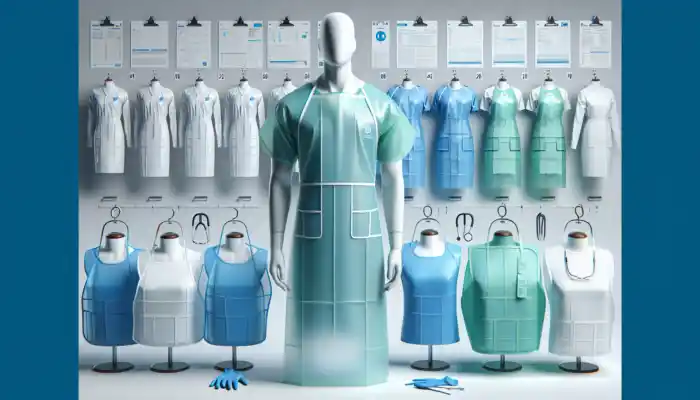
What Are Disposable Plastic Aprons Used For: In the UK, disposable plastic aprons are available in a variety of types, each designed for specific hygiene applications across different sectors. The most commonly encountered type is the polyethene apron, widely adopted in environments like hospitals, care homes, and food preparation areas. UK suppliers cater to diverse needs by providing various materials and sizes, including:
- Polyethene (PE)
- Polypropylene (PP)
- Low-density polyethene (LDPE)
- Standard and extra-large sizes
- Long-sleeved options
- Aprons with ties or adhesive strips
These diverse choices comply with NHS guidelines, ensuring that the materials used are appropriate for their intended environments and applications, ultimately enhancing safety and hygiene standards across the UK.
Key Features of Disposable Plastic Aprons in British Contexts
In the UK, the design of disposable plastic aprons includes crucial features to ensure hygiene and safety. These aprons create robust, waterproof barriers, making them particularly suitable for environments where exposure to bodily fluids is likely. Their single-use nature is vital in preventing cross-contamination, especially within community health services. This design is fully aligned with the standards established by UK health authorities, including the Health and Safety Executive (HSE), underscoring the necessity of rigorous hygiene practices across settings.
What Manufacturing Standards are Upheld in the UK?
In the UK, manufacturers of disposable plastic aprons adhere to stringent regulations set forth by the British Standards Institution (BSI). These regulations guarantee that the aprons meet essential safety and quality benchmarks suitable for a variety of environments, including educational institutions, hospitals, and care facilities. Compliance with these standards is paramount in ensuring the health and safety of users across all sectors, ultimately fostering trust in the products used within the UK.
How Does Usage of Disposable Plastic Aprons Vary Across Different Settings?

What are the Primary Uses of Disposable Plastic Aprons in UK Healthcare Environments?
Within the UK, disposable plastic aprons play a vital role in infection control protocols in NHS hospitals and clinics. They are primarily used to shield healthcare professionals from exposure to bodily fluids during medical procedures, which is essential for maintaining a sterile, safe environment. The widespread use of these aprons underscores their importance in protecting the health and well-being of both patients and staff in British healthcare settings, ensuring high standards of care and hygiene.
How are Disposable Plastic Aprons Utilised in the UK Food Service Sectors?
In the UK, restaurants and kitchen environments frequently utilise disposable plastic aprons to meet stringent hygiene standards mandated by UK food safety regulations. Their application is crucial during food preparation, as these aprons help prevent contamination and ensure compliance with health regulations. By employing these aprons, local eateries can uphold elevated cleanliness standards, which significantly contribute to food safety and enhance customer satisfaction, thereby reinforcing the importance of hygiene in the food service industry.
What Role Do Disposable Plastic Aprons Play in UK Educational Institutions?

In UK schools, disposable plastic aprons are routinely used in art and science classes to protect students’ uniforms from stains and spills during practical activities. This practical application aligns with British educational health protocols, fostering a safe and clean learning environment. Teachers and staff actively encourage the use of these aprons to promote safety and responsibility among students during hands-on learning experiences, thereby enhancing the overall educational atmosphere.
How are Disposable Plastic Aprons Used in UK Domestic Settings?
In British households, disposable plastic aprons are widely used for activities such as cooking, cleaning, and gardening. They act as a protective barrier against stains and spills, helping maintain personal hygiene during everyday tasks. Their convenience and availability make them a popular choice among families seeking to keep their clothing clean while engaging in a variety of household chores, underscoring their practical benefits in home settings.
Expert Insights on the Uses of Disposable Plastic Aprons
What Expert Analysis Exists on UK-Specific Applications?
Expert analysis reveals that disposable plastic aprons significantly enhance safety within British care homes. For instance, research conducted in the UK indicates a marked reduction in infection rates when these aprons are consistently used. Real-life examples from English facilities illustrate best practices, such as ensuring that staff members are adequately trained in the proper use and disposal of aprons, fostering a culture of safety and hygiene among caregivers, and ensuring compliance with health standards.
What Are the Key Recommendations from UK Specialists?
UK specialists advocate selecting disposable plastic aprons that comply with local regulations, ensuring their effectiveness across sectors such as healthcare and manufacturing. They encourage organisations to procure aprons that are both durable and aligned with specific occupational health and safety standards. Actionable procurement steps include sourcing from reputable suppliers and ensuring staff receive comprehensive training on proper use and disposal methods, thereby contributing to overall safety and compliance.
What Benefits Are Highlighted by British Professionals?
Health experts in the UK underscore the essential role of disposable plastic aprons in daily routines, particularly within environments where hygiene is critical. Insights from the Royal College of Nursing’s reports indicate that these aprons effectively mitigate hazards, thereby safeguarding both staff and patients. The promotion of their use across sectors underscores their importance in maintaining health and safety standards, ultimately benefiting the wider community.
What Are the Main Benefits of Using Disposable Plastic Aprons?

How Do Disposable Plastic Aprons Ensure Hygiene in UK Workplaces?
Disposable plastic aprons provide considerable hygiene benefits in British workplaces, especially in environments such as factories and laboratories. They act as a reliable barrier against spills and contamination, as stipulated by UK occupational health guidelines. The ease of disposal after single use makes them indispensable for daily operations, allowing workers to concentrate on their tasks without concern for cross-contamination or hygiene breaches, thereby promoting a culture of cleanliness and safety.
What is the Cost-Effectiveness of Disposable Plastic Aprons in the UK Context?
In the UK, disposable plastic aprons offer an economically viable solution for care workers, helping to minimise long-term costs associated with cleaning and maintaining reusable garments. Their single-use design aligns perfectly with British budget health strategies, providing significant economic advantages for businesses. Key economic benefits include:
- Lower laundering costs
- Reduced risk of contamination-related expenses
- Minimised the need for additional protective gear
- Less time spent on garment maintenance
By incorporating these aprons into their operations, UK businesses can streamline processes while ensuring compliance with health regulations, ultimately increasing efficiency and reducing costs.
What Are the Durability Aspects for British Users of Disposable Plastic Aprons?
The durability of disposable plastic aprons is particularly noteworthy in UK environments such as dental practices, where quick changes are often essential. These aprons maintain their structural integrity during use, facilitating swift transitions between patients. This characteristic supports operational efficiency within national health services, ensuring that practitioners can uphold superior hygiene standards without delays or interruptions, thereby enhancing patient care and safety.
Research-Backed Benefits of Disposable Plastic Aprons
What Do Real-World Examples from UK Studies Reveal?
Research conducted by UK institutions demonstrates that the implementation of disposable plastic aprons significantly reduces contamination risks in elderly care environments. Findings from numerous trials indicate that facilities employing these aprons experience improved health outcomes. Actionable steps for effective implementation in local care routines include regular staff training sessions, reinforcing the importance of proper apron use and disposal to maximise their benefits in reducing infection rates and promoting overall safety.
What Trusted Strategies Are Based on UK Data?
UK-based research has identified effective strategies for incorporating disposable plastic aprons into public service protocols. Experts recommend establishing clear guidelines for their use in daily operations, thereby enhancing both safety and compliance with health regulations. By integrating these strategies, organisations can ensure that staff members are well-equipped to maintain hygiene standards while performing their duties, ultimately contributing to a safer working environment.
What Are the Long-Term Advantages of Using Disposable Plastic Aprons in British Settings?
Studies conducted in the UK reveal sustained benefits associated with the routine use of disposable plastic aprons, including reduced employee absenteeism. Experts advocate the regular adoption of these aprons to ensure ongoing health compliance, thereby contributing to a safer, more efficient working environment for all workers. This long-term commitment to hygiene practices supports overall workforce well-being and productivity.
Why Are Disposable Plastic Aprons Essential in Specific Industries?
What Makes Disposable Plastic Aprons Vital in UK Manufacturing?
In British factories, disposable plastic aprons are crucial for safeguarding workers from hazardous materials and chemicals. Adhering to UK industry standards, these aprons significantly mitigate exposure risks, thereby enhancing overall safety protocols. Their presence in manufacturing contexts reflects a strong commitment to employee well-being and to strict compliance with health regulations designed to protect workers in potentially dangerous environments.
How Do Disposable Plastic Aprons Contribute to UK Retail Environments?
Within the retail sector, particularly in food-related businesses, disposable plastic aprons are fundamental for handling goods. Compliance with British retail hygiene regulations is critical to preventing cross-contamination, and these aprons present a practical solution. By incorporating disposable aprons into their operations, retailers bolster their operational hygiene standards, ensure customer safety, and enhance their reputation and customer trust.
Why Are Disposable Plastic Aprons Important in UK Home Care?
For home care providers in the UK, disposable plastic aprons are indispensable during personal assistance tasks. They provide vital protection for caregivers while aligning with national guidelines that promote safety in caregiving practices. The use of these aprons fosters a professional atmosphere in home care settings, thereby enhancing service quality and ensuring the well-being of both caregivers and clients.
Optimal Disposal Methods for Disposable Plastic Aprons in the UK
What Are the Guidelines for Safe Disposal in British Homes?
In the UK, the proper disposal of disposable plastic aprons is essential to minimise environmental impact. Residents are encouraged to adhere to local council waste regulations, which may involve the following steps:
- Review local council guidelines regarding waste disposal
- Separate aprons from general waste whenever feasible
- Utilise designated waste bins for hazardous materials
- Explore recycling options where available
Following these guidelines ensures responsible disposal and contributes to local efforts to reduce waste and promote environmental sustainability.
What Regulations Are Enforced in the UK Public Sectors Regarding Disposal?
UK legislation mandates specific disposal methods for disposable plastic aprons utilised in hospitals and other public sectors. These regulations ensure aprons are managed in accordance with national waste management standards, reinforcing the commitment to public health and environmental protection while preventing harmful waste from negatively impacting communities.
What Common Mistakes Should Be Avoided in the UK Regarding Apron Disposal?
Users in the UK should be cognisant of common errors associated with the disposal of disposable plastic aprons. Frequent mistakes include improper disposal methods, such as discarding them in general waste without considering recycling options. Avoiding these pitfalls is crucial for adhering to local environmental policies and positively impacting waste management efforts, thereby fostering a culture of environmental responsibility.
How Can UK Recycling Centres Be Utilised for Apron Disposal?
In the UK, recycling centres provide facilities for the responsible disposal of items like disposable plastic aprons. Residents should consult local council websites to identify the nearest recycling centres and prepare items according to the specified guidelines. By separating recyclables, individuals can actively support national initiatives to reduce waste and conserve the environment, thereby contributing to a more sustainable future.
Future Trends for Disposable Plastic Aprons in the UK
What Emerging Innovations Are Shaping UK Designs for Disposable Aprons?
Recent developments in the UK regarding the design of disposable plastic aprons focus on integrating biodegradable materials, enhancing sustainability in British markets. As concerns regarding environmental impact grow, these innovations aim to improve user experience while simultaneously reducing ecological footprints. The evolution of these products reflects a broader commitment to sustainable practices in the manufacturing sector, aligning with the growing demand for environmentally friendly solutions.
What Potential Regulatory Changes Could Impact Disposable Plastic Aprons in the UK?
Anticipated regulatory changes in the UK may necessitate enhanced features for disposable plastic aprons, driven by comprehensive health reviews. These prospective changes could introduce stricter guidelines on material safety and performance, ensuring that aprons provide adequate protection for users across sectors and ultimately enhancing public health.
How Is Adoption Expected to Evolve in UK Sectors?
As UK industries, particularly those in hospitality and healthcare, adapt to evolving needs, the usage of disposable plastic aprons is projected to increase for hygiene-related purposes. This trend mirrors national priorities in worker protection and public health, highlighting the critical importance of upholding high safety standards across diverse environments to ensure the well-being of both employees and the general public.
Frequently Asked Questions About Disposable Plastic Aprons
What Materials Are Disposable Plastic Aprons Made From?
Disposable plastic aprons are primarily made from polyethene and polypropylene, specifically designed for single-use applications to prevent contamination across various environments, including healthcare and food service.
Are Disposable Plastic Aprons Recyclable?
While certain disposable plastic aprons may be recyclable, it is crucial to consult local council guidelines to identify the appropriate disposal methods and available recycling facilities in your area, ensuring environmentally responsible practices.
How Do Disposable Plastic Aprons Assist with Infection Control?
Disposable plastic aprons serve as a barrier against fluids, significantly reducing the risk of cross-contamination in healthcare environments and playing an essential role in effective infection control measures.
Can Disposable Plastic Aprons Be Utilised for Cleaning Tasks?
Yes, disposable plastic aprons are commonly used in cleaning, offering protection against spills and stains while maintaining hygiene during both domestic and professional cleaning, thereby enhancing overall sanitation.
How Often Should Disposable Plastic Aprons Be Replaced?
Disposable plastic aprons are designed for single-use; therefore, they should be replaced after each use to ensure optimal hygiene and to prevent contamination, ensuring a safe working environment.
Which Industries Benefit Most from Disposable Plastic Aprons?
Industries such as healthcare, food service, education, and manufacturing derive significant benefits from disposable plastic aprons, as they play a critical role in maintaining hygiene and safety standards across diverse sectors.
Are There Any Alternatives to Disposable Plastic Aprons?
Alternatives to disposable plastic aprons include reusable fabric aprons and biodegradable aprons made from sustainable materials, which may provide environmental benefits while still delivering effective protection.
What Are the Recommended Disposal Methods for Disposable Plastic Aprons?
Disposable plastic aprons should be disposed of in accordance with local council waste guidelines, ensuring they are placed in designated waste bins to minimise environmental impact and support community waste management efforts.
What Are the Key Advantages of Using Disposable Plastic Aprons?
The advantages of using disposable plastic aprons include enhanced hygiene, a reduced risk of contamination, cost-effectiveness, and convenience in environments where strict cleanliness protocols are necessary, ultimately supporting health and safety standards.
Where Can I Purchase Disposable Plastic Aprons in the UK?
Disposable plastic aprons are available from a variety of suppliers in the UK, including medical supply stores, online retailers, and wholesalers specialising in hygiene products, ensuring easy access for all consumers.
Join us on Facebook for the latest updates!


About author


Add comment