
No products in the cart.
Return To Shop



Poor Glove Fit: Effects on Dexterity and Tear Risk
Exploring the Causes of Inadequate Glove Fit in UK Work Environments
What specific factors lead to inadequate glove fit within UK manufacturing?
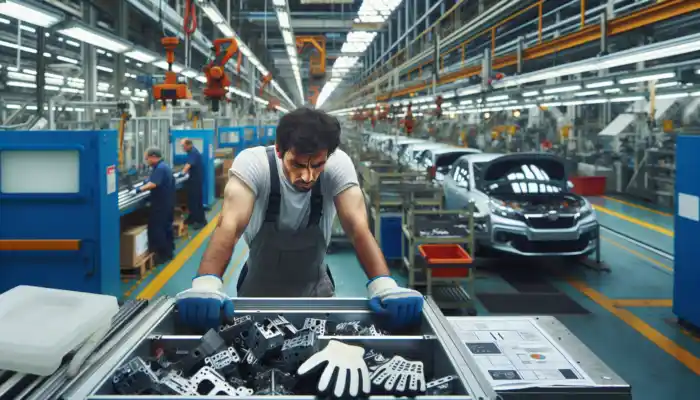
Poor Glove Fit: In UK manufacturing, numerous factors contribute to inadequate glove fit, which significantly affects worker performance and safety. One major issue arises from inconsistencies in sizing standards across various safety regulations. Many manufacturing facilities in the UK adhere to British Safety Standards that may not accommodate the diverse hand sizes of their workforce. This often results in gloves that are either excessively tight or overly loose, ultimately diminishing comfort and effectiveness. A pertinent example can be found in automotive manufacturing plants located in the Midlands, where workers have reported a noticeable decline in productivity and an uptick in hand fatigue attributed to poorly fitted gloves.
The choice of glove material significantly influences fit. Many gloves are produced using standardised templates that fail to address the specific needs of individual workers. Moreover, the common reliance on one-size-fits-all solutions frequently neglects ergonomic considerations essential for maintaining proficiency in tasks requiring fine motor skills. This mismatch not only impairs dexterity but also increases the risk of workplace incidents caused by inadequate protection.
How can we identify the significant effects of glove fit on dexterity for UK users?
For users across the UK, inadequate glove fit directly reduces dexterity, particularly in critical sectors such as healthcare and food processing. In these environments, where precision is vital, improperly fitting gloves can create substantial performance challenges. Evaluating glove fit should include assessing snugness around the fingers without causing constriction and ensuring that the gloves do not hinder hand movements.
To assess fit effectively, actionable steps include having workers try on different glove sizes before bulk ordering and actively seeking feedback on their comfort and functionality. Furthermore, regular training sessions that educate staff about the importance of glove fit can enhance overall dexterity. By cultivating an environment in which employees feel empowered to select appropriate gloves, organisations can effectively mitigate the risks associated with improper fit.
What are the common risks of tearing associated with poorly fitting gloves in the UK?
Inadequate glove fit markedly increases the risk of material stress, especially in dynamic environments such as construction sites and warehouses throughout the UK. When gloves are overly loose, they tend to bunch up, increasing friction during manual tasks and leading to premature wear and damage. On the flip side, gloves that are too tight may tear easily under strain, thus posing significant safety hazards for workers.
Expert analysis indicates that preventing these tears depends on selecting the appropriate glove size and material. For example, selecting gloves made from durable, tear-resistant materials can significantly reduce the risk of breakage. Additionally, conducting regular inspections and encouraging workers to report any signs of wear can proactively address fit issues before they escalate into accidents.
How Does Inadequate Glove Fit Affect Dexterity Across the UK?

What influence does glove material have on dexterity challenges?
The selection of glove material is a crucial factor in the dexterity challenges faced by workers in the UK. UK glove regulations often stipulate specific materials to ensure safety, which can inadvertently worsen dexterity issues. For instance, while thicker materials provide greater protection, they may also impede fine motor skills.
- Latex: Provides a snug fit but can limit finger movement.
- Nitrile: Known for durability and puncture resistance, yet less flexible.
- Leather: Offers excellent grip but tends to be bulkier.
- Polyethylene: Lightweight and flexible, but may lack durability.
Each of these materials presents specific drawbacks that impact how effectively a worker can execute tasks requiring precision. For instance, healthcare professionals often favour latex gloves for their fit, but these can compromise tactile sensitivity. Therefore, it is essential to balance protection and dexterity when selecting gloves.
How can we measure the impact of glove fit on fine motor skills in British workplaces?
In British laboratories, inadequate glove fit can significantly impair fine motor skills. Tasks such as pipetting or handling delicate instruments become significantly more challenging when gloves interfere with hand movements. To accurately measure these effects, specific assessment methods tailored to local practices should be implemented.
An effective approach is to conduct dexterity tests that replicate everyday tasks performed in the workplace. By documenting performance with various glove types, organisations can pinpoint which fits enhance or detract from operational efficiency. Such evaluations underscore the importance of selecting gloves that not only align with safety standards but also enhance the precision required for specialised tasks.
What are the long-term implications of poor glove fit on hand function for UK workers?

Prolonged use of inadequately fitting gloves across various sectors, particularly in manufacturing and healthcare, can lead to significant long-term consequences for hand function. Workers may face chronic fatigue, diminished grip strength, and even the development of musculoskeletal disorders over time. This deterioration not only affects individual health but also hampers overall workplace productivity.
Training implications are crucial in mitigating these long-term risks. Employers must ensure comprehensive training on the importance of glove fit, alongside guidance on selecting appropriate gloves. By fostering a culture of safety that prioritises ergonomic considerations, organisations can enhance worker well-being and significantly reduce the likelihood of injuries.
Expert Perspectives on Inadequate Glove Fit: Impacts on Dexterity and Tear Risks
How do UK experts assess glove fit in relation to dexterity?
Experts in the UK usually evaluate glove fit through a series of ergonomic assessments designed to minimise dexterity loss. These evaluations often involve practical trials in which workers perform specific tasks while wearing gloves of varying sizes and materials. The primary objective is to identify options that provide sufficient protection while still permitting optimal hand movement.
Actionable strategies based on British guidelines include developing a fit-testing protocol that incorporates real-time worker feedback. This process should encompass a variety of tasks representative of actual job requirements, ensuring that the selected gloves meet both safety regulations and dexterity requirements. Regularly reviewing and adjusting glove selections based on worker feedback can lead to continuous enhancements in workplace safety.
What does expert analysis reveal about tear risks in UK applications?
Professionals investigating tear risks in UK applications focus on material vulnerabilities that can result in glove failures. They assess the performance of different materials under specific conditions, identifying potential issues before they escalate. For instance, in the food-processing sector, lightweight gloves may not withstand sharp objects, leading to frequent tears.
Local case studies demonstrate that utilising high-quality materials, such as reinforced nitrile, can significantly lower the incidence of glove tears. Establishing a routine review process where gloves are tested under actual working conditions helps identify weaknesses early, thereby preserving both safety and productivity.
What strategies do experts recommend for improving glove fit in British contexts?
Experts advocate adopting custom sizing in accordance with UK standards to enhance glove durability and fit. Custom fitting entails measuring workers’ hands to ensure they receive gloves tailored to their specific dimensions, thereby reducing the incidence of glove incompatibility.
Implementing this strategy requires collaboration with manufacturers to develop bespoke solutions that address individual workers’ needs. Regular training on the importance of glove fitting can further bolster this initiative, ensuring workers understand how proper sizing enhances their safety and performance. By prioritising fit, companies can cultivate a safer work environment while simultaneously improving overall operational efficiency.
What are the primary tear risks associated with poor glove fit in the UK?

Why do specific UK industries experience higher rates of glove tears?
Industries such as agriculture and construction in the UK often experience higher tear rates due to repetitive motions and exposure to harsh materials. For instance, farm workers routinely handle sharp tools and heavy machinery, which heightens the likelihood of glove damage when the fit is inadequate.
Preventive measures include equipping workers with high-quality gloves tailored to specific tasks and selecting materials with superior cut and abrasion resistance. Regular training in the proper use and maintenance of gloves can also significantly reduce the risk of tears.
How can users identify early signs of glove wear in the UK?
In the UK, users can detect early signs of glove wear through routine visual inspections that highlight stress points and potential failures stemming from poor fit. This proactive approach helps prevent glove failures that could result in serious injury.
Monitoring techniques should involve encouraging workers to regularly inspect their gloves for signs of fraying, tearing, or punctures, and promoting a culture in which workers feel comfortable reporting wear, thereby enabling quicker replacements and maintaining safety standards. Establishing a maintenance schedule for glove reviews can further ensure that all workers are adequately protected.
What is the relationship between glove fit and material longevity in UK applications?
In the UK, a direct correlation exists between inadequate fit and the longevity of glove materials. When gloves fit improperly, they undergo accelerated degradation, necessitating more frequent replacements, which incurs additional costs for businesses. A snug fit reduces wear and tear, whereas loose gloves increase friction, leading to premature material failure.
- Regular inspections: Schedule timely checks for wear and damage.
- Proper storage: Maintain gloves in a controlled environment to preserve material integrity.
- Correct usage: Educate staff on the appropriate tasks for specific glove types.
- Immediate replacement: Encourage workers to swap out damaged gloves promptly.
By adhering to these maintenance guidelines, businesses can extend the lifespan of their glove inventory while ensuring that workers remain safe on the job.
How do UK regulations address the risks of tearing due to poor glove fit?
In the UK, regulations set by bodies such as the Health and Safety Executive (HSE) require proper glove sizing to minimise the risk of tears. These regulations aim to protect workers from injuries caused by improper glove fit, underscoring the importance of selecting appropriate gloves for specific tasks.
Enforcement of these regulations often requires regular audits and inspections to verify compliance. Strategies for ensuring adherence include providing training for both management and employees on the importance of glove fit and establishing clear protocols for selecting and maintaining protective equipment. By upholding these standards, workplaces can significantly enhance safety and diminish the risk of injuries.
Research-Driven Advantages of Proper Glove Fit Across UK Workplaces
What research supports improved dexterity outcomes in British work environments?
Research conducted in the UK has demonstrated that achieving the appropriate glove fit enhances task efficiency and minimizes errors across various industries. Studies indicate that properly fitted gloves enable workers to perform tasks more accurately and with greater comfort.
Actionable steps derived from local research findings suggest that companies invest in comprehensive fitting protocols and regular assessments to ensure the ongoing suitability of the gloves provided. By aligning glove selections with actual job requirements, employers can foster a safer and more productive work environment.
What expert insights are there on reducing tear incidents through fit adjustments?
Analysis of data from UK trials indicates that tailored gloves considerably reduce the risk of tears and other failures. These studies reveal that when workers are provided with gloves specifically designed for their hand size and job functions, tear rates decrease significantly.
Real-world examples of successful adaptations can be observed across various sectors, including food service and construction, where companies that adopted custom glove solutions reported fewer glove-related injuries. Such adjustments not only enhance safety but also improve worker morale and productivity.
How does optimal glove fit influence overall safety in the UK?
Evidence from British health reports indicates a robust correlation between good fit and reduced workplace injuries. When gloves fit correctly, they provide the necessary protection while maintaining adequate dexterity, thereby enhancing overall safety.
Implementation strategies may include introducing fitting stations within workplaces where employees can try on various glove sizes and styles. Additionally, ongoing education regarding the importance of glove fit can empower employees to make informed choices, thereby reducing injury rates and improving health outcomes within the workplace.
Why Is It Essential to Address Inadequate Glove Fit for Safety in the UK?
What hidden costs arise from dexterity loss in British sectors?
In UK manufacturing, poor glove fit leads to productivity declines, which can result in increased operational expenses. Workers with dexterity difficulties are more likely to make errors, necessitating costly rework and causing delays.
The financial implications of inadequate glove fit are considerable, as companies may incur higher insurance premiums due to increased injury rates and resulting claims. Proactively addressing these issues can enhance efficiency and reduce costs, benefiting both workers and employers.
How does improper glove fit impact compliance with UK regulations?
Non-compliant gloves that fail to meet safety standards increase the risk of tears and violate British regulations, potentially incurring severe penalties for companies. Poor fit often leads to regulatory breaches, jeopardising worker safety.
Challenges in enforcement commonly arise when organisations neglect proper glove selection and fitting. By acknowledging these challenges and taking proactive measures to ensure compliance, companies can safeguard their workforce while adhering to legal standards.
What are the broader implications for worker health in the UK?
Neglecting glove fit issues contributes to a myriad of long-term injuries, highlighting the critical need to address these challenges. Data from UK health sources indicate that workers who consistently use ill-fitting gloves may experience chronic pain and reduced hand function over time.
- Cumulative trauma disorders
- Reduced grip strength
- Chronic pain in hands and wrists
- Increased fatigue and discomfort
By recognising and tackling these health risks specific to local environments, companies can foster a safer and healthier workforce.
How can UK industries encourage better glove fit through training initiatives?
In British workplaces, implementing comprehensive training on proper glove selection and fitting is vital for mitigating safety risks. This approach aligns with UK health and safety guidelines, fostering a culture of awareness and competence among workers.
Training programmes should cover the importance of glove fit, the identification of suitable gloves for specific tasks, and ongoing maintenance routines to ensure that protective gear remains effective. By prioritising education, organisations can enhance worker safety and decrease injury rates, ultimately improving overall operational safety.
Strategies for Mitigating the Effects of Inadequate Glove Fit in UK Environments
What practical solutions exist for enhancing dexterity in everyday use?
To enhance dexterity in daily use, adopting UK-specific sizing guidelines is imperative. These guidelines help ensure that workers are equipped with gloves that fit properly, thereby improving performance and minimising the risk of accidents.
Recommendations for adjustments based on local practices include regular training sessions that emphasize proper glove fitting and the need for employees to test various sizes. By encouraging workers to find their optimal fit, employers can boost both safety and productivity within the workplace.
What strategies can minimise the risk of tears through improved selection?
Choosing robust glove options that comply with British certifications can substantially reduce the likelihood of failures due to poor fit. Selecting gloves specifically designed for particular tasks ensures that workers receive the right protection without sacrificing dexterity.
When analysing selection criteria, it is essential to evaluate the materials used, the intended purpose of the gloves, and feedback from employees regarding comfort and performance. By making informed decisions, businesses can effectively mitigate tear risks while prioritising worker safety.
What long-term strategies should be implemented for glove management in the UK?
Establishing regular training on fit assessments ensures sustained benefits and aligns with national protocols. Training should focus on effective glove selection and maintenance protocols to extend the service life of protective equipment.
Companies should cultivate a safety culture that prioritises continuous education and solicits feedback from workers on glove performance. By creating an environment in which employees feel valued and heard, organisations can promote long-term improvements in health and safety.
Frequently Asked Questions
What indicators signal a poorly fitting glove?
Common indicators include excessive tightness, discomfort, material bunching, and restricted finger movement, all of which can impede performance and increase the risk of accidents.
How frequently should gloves be inspected for wear and tear?
Gloves should be checked before each use, particularly in high-risk environments. Regular inspections help identify early signs of wear that could lead to failures.
Which materials are best suited for dexterity in gloves?
Materials such as nitrile and latex provide good dexterity while ensuring adequate protection. However, the choice should be contingent on the specific tasks being undertaken.
Can an inadequate glove fit result in injuries?
Indeed, poor glove fit can lead to injuries due to diminished dexterity, resulting in accidents and ineffective protection against hazards.
How can companies ensure adherence to glove regulations?
By routinely reviewing glove selections, training staff on proper fit, and performing safety audits, companies can ensure compliance with UK regulations.
What effect does glove fit have on productivity?
Poor glove fit can significantly hinder productivity by causing discomfort, leading to mistakes and slower work rates.
How can workers report issues related to glove fit?
Workers should promptly report any concerns regarding glove fit or performance to their supervisors to ensure prompt replacements and maintain safety.
What is the significance of training in glove selection processes?
Training is vital because it educates employees on the importance of glove fit, how to select appropriate gloves, and the impact of proper equipment on their safety.
How does glove fit influence long-term hand health?
Improperly fitted gloves can lead to chronic conditions, including carpal tunnel syndrome and other musculoskeletal disorders, arising from repetitive strain and discomfort.
What are the potential costs of neglecting poor glove fit?
Neglecting glove fit issues can lead to increased injury rates, higher insurance premiums, and decreased productivity, ultimately impacting the bottom line.
Connect with us on Facebook!


About author


Add comment