
No products in the cart.
Return To Shop



Infection Control PPE for Meningitis in Kent: Key Tips
Breaking News: Meningitis & PPE Update March 2026 Health authorities have confirmed a meningitis outbreak in Kent, highlighting the urgent need for robust infection control and appropriate PPE across clinical and community settings.
Glove Club Ltd., supporting readers across the UK for over 30 years, provides expert insights into infection control strategies and the critical role of PPE in preventing the transmission of meningitis.
Glove Club Ltd., supporting readers across the UK for over 30 years, provides expert insights into infection control strategies and the critical role of PPE in preventing the transmission of meningitis.
Comprehensive Insights into Infection Control Strategies for Meningitis
What Critical Role Does PPE Play in Preventing Meningitis Transmission?
PPE for Meningitis in Kent: The significance of personal protective equipment (PPE) in mitigating the spread of meningitis within the UK healthcare environment cannot be overstated. PPE acts as a vital physical barrier against infectious pathogens, effectively reducing the likelihood of transmission among both patients and healthcare professionals.
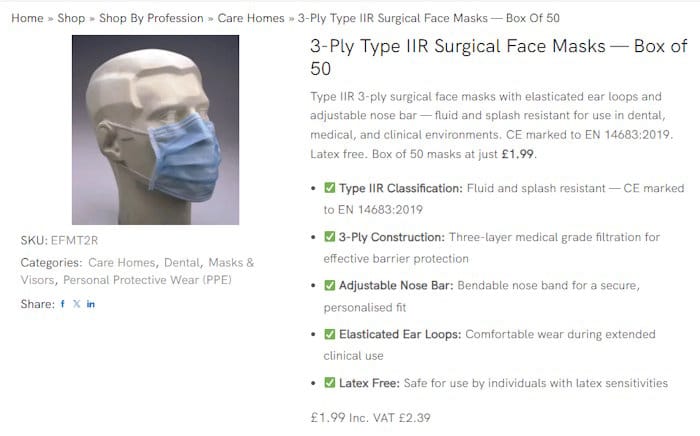
Standard PPE protocols for managing meningitis outbreaks include:
All specifically engineered to protect against droplet transmission, which is a predominant route for spreading meningitis, particularly in clinical settings where proximity is unavoidable.

In practice, UK hospitals such as Guy’s and St Thomas’ NHS Foundation Trust have established stringent PPE guidelines during meningitis outbreaks. Their committed infection control teams perform regular audits to ensure adherence to PPE protocols, thereby setting a benchmark for effective implementation. Training sessions are routinely conducted to emphasise the importance of proper donning and doffing techniques, as improper use can severely compromise safety. These real-world applications emphasise the critical need for compliance with NHS protocols, which is essential for minimising the risks associated with meningitis transmission.
What Are the Key Elements of Effective Infection Control Protocols?
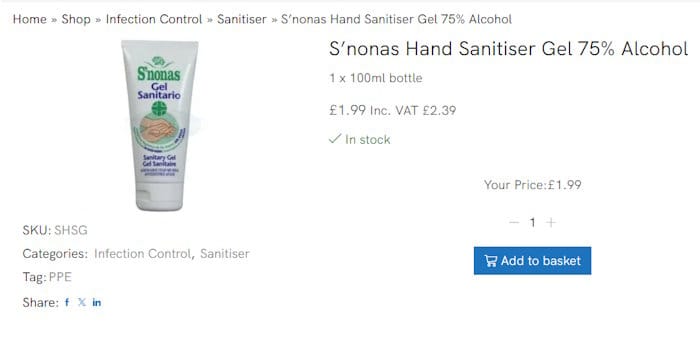
Infection control protocols encompass a broad spectrum of strategies aimed at ensuring patient safety and minimising the risk of meningitis transmission throughout the UK. Hand hygiene serves as a foundational element of these protocols, as endorsed by Public Health England. Healthcare workers are required to wash their hands thoroughly before and after any patient interaction and to utilise alcohol-based hand sanitiser when soap and water are not available. This straightforward yet effective measure significantly reduces the pathogen load.
Moreover, isolation procedures are pivotal in controlling meningitis. Patients who are either diagnosed with or suspected of having meningitis are often placed in designated isolated rooms, complete with appropriate signage to alert staff and visitors. This isolation is crucial for preventing the spread of infectious agents, especially in bustling hospitals where the risk of exposure is elevated. The integration of hand hygiene, isolation, and the correct use of PPE forms a formidable defence against meningitis outbreaks.
What Are the Common Challenges Faced in PPE Utilisation?
The effective use of PPE in the UK, particularly during meningitis outbreaks, presents several challenges. A primary concern is the shortage of PPE supplies, a situation exacerbated by recent global events. Numerous healthcare facilities have encountered difficulties in obtaining sufficient PPE, thereby affecting their ability to safeguard both staff and patients. Implementing strategies such as establishing robust supply chains and ensuring adequate stock levels is essential to overcoming these obstacles.
Additionally, there may be resistance among healthcare workers to adhere to PPE protocols due to discomfort or a lack of understanding regarding their importance. Ongoing training and refresher courses can alleviate these concerns by reinforcing the need for PPE, especially in high-risk situations such as meningitis outbreaks. Promoting open dialogue about PPE challenges can cultivate a culture of compliance and safety amongst staff, thus enhancing overall infection control efforts.
Why Is Training Crucial for Healthcare Staff in Infection Control?
Training is a critical component of infection control, especially regarding meningitis. Regular training programmes, as advocated by NHS England, are vital for healthcare personnel to remain informed about the latest protocols and best practices. These sessions cover not just the proper use of PPE but also recognising meningitis symptoms, understanding transmission pathways, and implementing effective isolation techniques.
Effective training boosts staff confidence in using PPE correctly, which is imperative during outbreaks. For example, hospitals in Kent conduct mandatory training sessions every six months, ensuring that all employees are up to date on infection control measures. Engaging in realistic simulations of potential scenarios can further prepare staff to respond swiftly and effectively, thereby strengthening the overall safety measures in place and enhancing patient outcomes.
How Does PPE Offer Protection Against Meningitis?
What Is the Importance of Proper Fit and Maintenance of PPE?
Ensuring that PPE fits properly is essential to protecting healthcare workers against meningitis. Poorly fitted equipment can create gaps that allow infectious agents to penetrate, rendering the protective gear ineffective. UK health authorities mandate regular fit testing for masks and provide thorough training on how to adjust PPE to ensure a secure fit. This process guarantees that the barriers effectively block pathogens during possible exposure incidents.
Furthermore, maintaining PPE is vital for its durability and effectiveness. Regular inspections for signs of wear and tear should be standard practice in UK healthcare environments. Healthcare workers should routinely examine their gloves and gowns for tears or punctures before patient interactions. This vigilance not only enhances personal safety but also contributes significantly to the overarching infection control strategy.
What Factors Influence the Effectiveness of PPE?
Several factors can significantly affect the effectiveness of PPE in preventing the transmission of meningitis. The quality of materials used in PPE is crucial; for instance, masks must effectively filter out pathogens while still allowing comfortable breathing. UK guidelines from the Health and Safety Executive (HSE) stipulate that all PPE must meet specific performance standards, which are fundamental to ensuring user safety.
User training also plays an integral role in enhancing PPE effectiveness. Healthcare workers must be adequately educated not only on the proper way to wear PPE but also on the significance of compliance with all facets of infection control protocols. This training includes practical sessions that enable staff to practise donning and doffing techniques in a controlled environment, ensuring they are well prepared for real-life scenarios.
What Are the Training Requirements for Healthcare Staff Regarding PPE?
In the UK, training requirements for healthcare staff concerning PPE usage are stringent and designed to ensure maximum safety. Mandatory educational programmes encompass various facets, including identifying the appropriate PPE for specific situations, understanding the risks associated with meningitis, and acquiring practical skills for the safe handling of PPE. These programmes are structured to cater to both new and experienced staff, fostering a culture of continuous improvement.
Practical sessions are particularly advantageous, allowing staff to engage in hands-on training that reinforces the theoretical components. Regular assessments and feedback help identify areas for further development, ensuring that all personnel are well-equipped to manage meningitis risks effectively. This ongoing education is critical in upholding the highest standards of infection control within healthcare settings across the UK.
Which Types of PPE Are Recommended for Meningitis Protection?
In the fight against meningitis, various types of PPE are recommended to establish effective barriers against infection. Masks, particularly those with high filtration rates, are essential for protection against airborne pathogens. Additionally, gloves must be of medical-grade quality to prevent skin contact with potentially infectious materials. Gowns are also crucial for safeguarding the skin and clothing of healthcare workers.
- Disposable surgical masks for routine interactions.
- N95 respirators for high-risk situations.
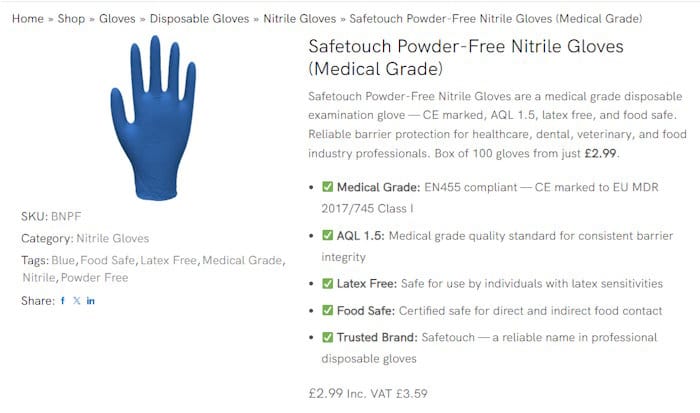
- Latex or nitrile gloves for patient care.
- Water-resistant gowns for potential exposure scenarios.
- Face shields for additional eye protection.
- Aprons when handling fluids or in close contact.
These recommendations align with guidelines from UK health authorities, such as the HSE and the NHS, which highlight the importance of using appropriate PPE tailored to the specific risks associated with meningitis. By implementing these measures, healthcare workers and patients alike can benefit from comprehensive protection.
Expert Perspectives on Infection Control and PPE for Meningitis in Kent
What Best Practices Are Recommended by UK Specialists?
Expert recommendations from UK infectious disease specialists underscore several best practices for the effective use of PPE in controlling meningitis. One such practice involves employing layered PPE to enhance protection. For example, wearing an N95 respirator, face shield, and gown can substantially reduce the risk of exposure during high-risk procedures.
Moreover, specialists advocate for ongoing collaboration between healthcare facilities and local public health authorities to exchange insights and strategies for effective meningitis control. Such partnerships can facilitate the sharing of information about emerging outbreaks, ensuring that frontline healthcare workers are well prepared. This proactive approach is essential for adapting strategies for meningitis control in community settings, particularly in regions like Kent, where population density may influence transmission dynamics.
What Advanced Techniques Should Be Used in High-Risk Scenarios?
In high-risk scenarios, such as during outbreaks or when treating patients with confirmed meningitis, advanced PPE techniques become indispensable. UK professionals recommend utilising enhanced barriers, such as double-gloving and the incorporation of lead aprons in certain situations, to provide maximum protection for healthcare workers. These methods are particularly critical for those operating in emergency departments, where the risk of exposure is significantly elevated.
- Utilising double-gloving for added protection.
- Implementing rigorous cleaning protocols for reusable PPE.
- Employing air filtration systems in isolation rooms.
- Utilising UV light for post-exposure surface disinfection.
Such techniques not only protect healthcare workers but also minimise the risk of pathogen transmission within healthcare settings. Continuous education on these advanced methods is vital for maintaining a high standard of infection control amidst evolving challenges.
How Can PPE Performance Be Evaluated Over Time?
Evaluating the performance of PPE over time is crucial for ensuring consistent protection against meningitis. Long-term studies conducted in UK healthcare settings reveal that regular monitoring of PPE effectiveness leads to enhanced outcomes for both patients and staff. Healthcare facilities must establish protocols for assessing PPE integrity, including routine audits and effectiveness evaluations to identify lapses in protection.
Expert recommendations suggest that facilities should remain adaptable in their PPE strategies, incorporating staff feedback on comfort and functionality. This collaborative approach not only bolsters safety but also fosters a culture of continuous improvement and vigilance in infection control practices.
How Can PPE Innovations Be Integrated with Kent’s Local Policies?
Integrating cutting-edge PPE innovations into local policies is essential for bolstering meningitis control efforts in Kent. UK specialists recommend collaboration with local health authorities to align on the latest advancements in PPE technology, such as antimicrobial fabrics and enhanced filtration systems. This alignment ensures that all public health policies are informed by the best available evidence, optimising protective measures for healthcare workers.
Moreover, cost-effectiveness must be considered when implementing new PPE solutions. Investing in high-quality, durable PPE can conserve resources in the long run by minimising waste and reducing replenishment frequency. Community-specific adaptations, including tailored training sessions that address local healthcare challenges, further enhance the effectiveness of infection control frameworks designed to combat meningitis.
Research-Supported Benefits of Infection Control PPE for Meningitis in Kent
What Does Research from UK Studies Reveal About PPE Efficacy?
Research conducted in the UK consistently supports the effectiveness of PPE in reducing the transmission of meningitis. Studies indicate that healthcare facilities implementing stringent PPE protocols experience significantly lower infection rates during outbreak scenarios. For example, hospitals that have adopted comprehensive PPE guidelines have reported fewer cases of nosocomial meningitis.
These findings underscore the necessity of adopting well-defined PPE strategies. Actionable steps based on data-driven insights include conducting regular staff training sessions and improving communication about meningitis risks. Such proactive measures not only safeguard healthcare workers but also enhance patient safety outcomes across the board.
How Does PPE Integrate with Other Infection Control Measures?
PPE constitutes one element of a broader infection control strategy that includes vaccination and stringent hand hygiene practices. In the UK, these three pillars collectively strengthen the defence mechanisms against meningitis. Vaccination programmes, endorsed by Public Health England, help reduce the incidence of bacterial meningitis, while robust hygiene protocols further mitigate the risk of infection.
By effectively integrating these controls, healthcare facilities can optimise their responses to meningitis outbreaks. For instance, promoting vaccination among healthcare workers and patients, coupled with rigorous PPE use and hand hygiene, creates a comprehensive defence against transmission. This synergistic approach is crucial for protecting both patients and healthcare professionals from the complexities associated with meningitis.
What Long-Term Health Outcomes Arise from Effective PPE Use?
Research indicates that the effective utilisation of PPE leads to improved long-term health outcomes in the UK. Facilities that uphold rigorous PPE protocols not only witness a decrease in meningitis transmission but also experience fewer complications among patients. This is especially significant for managing vulnerable groups, such as infants and the elderly, who are at a heightened risk of serious meningitis complications.
Additionally, sustained PPE strategies help reduce absenteeism among healthcare workers due to illness, ensuring facilities maintain sufficient staffing levels. This directly correlates with enhanced patient care, as a well-staffed team can respond more effectively to patient needs, thereby improving overall safety and quality of care in healthcare settings.
What Are the Key Updates to PPE Guidelines in the UK?
What Recent Changes Have Occurred in UK Regulations?
Recent updates to PPE guidelines in the UK reflect the dynamic nature of infectious diseases, including meningitis. New regulations aim to address emerging variants and enhance protections within healthcare environments. These updates often stem from a synthesis of recent research findings and real-world experiences, ensuring that guidelines remain relevant and effective.
For instance, the inclusion of new materials in masks and gowns that offer superior filtration capabilities exemplifies a proactive approach to PPE development. UK health authorities regularly disseminate updates to inform healthcare facilities about the latest standards, encouraging compliance to uphold the highest levels of safety in patient care.
Why Are Regular Updates Essential for PPE Guidelines?
The need for regular updates to PPE guidelines arises from the ever-changing landscape of infectious diseases. As research progresses and new strains of pathogens emerge, UK practices must adapt accordingly. Regularly reviewing and updating guidelines ensures that healthcare workers are equipped with the latest tools and knowledge necessary for effectively combating meningitis.
Moreover, the ramifications of global events, such as pandemics, underscore the necessity for continuous improvement and adaptation in infection control practices. By staying informed about new research and emerging trends, UK healthcare facilities can maintain robust defences against meningitis and other infectious diseases.
How Can Healthcare Professionals Stay Informed on Best Practices?
- Subscribe to official health bulletins from Public Health England.
- Engage with professional bodies such as the Infection Prevention Society.
- Attend workshops and seminars focused on the latest infection control practices.
- Participate in online forums and webinars dedicated to meningitis management.
Utilising these resources enables healthcare professionals in the UK to stay well-informed about the latest PPE requirements and best practices in infection control, fostering a culture of safety and compliance within their facilities.
How to Implement Effective Strategies for PPE in Healthcare Settings
What Are the Core Steps for Successful PPE Deployment?
Implementing effective PPE deployment strategies in UK healthcare facilities begins with comprehensive training. Initial training should cover the significance of PPE, the correct types to utilise for specific circumstances, and the proper techniques for donning and doffing. These foundational elements are vital to ensuring that all staff members understand the critical role of PPE in infection control, particularly regarding meningitis.
Routine checks are another integral component of PPE management. Facilities should develop protocols for regularly inspecting PPE for signs of wear or damage. This proactive approach helps maintain the integrity of protective barriers, ensuring that staff are consistently safeguarded from potential exposure. By fostering a culture of accountability, healthcare facilities can significantly bolster their infection control efforts against meningitis.
What Monitoring and Compliance Measures Should Be Established?
Monitoring and compliance measures are essential for guaranteeing the effective use of PPE in UK healthcare settings. Regular audits and feedback mechanisms should be instituted to assess adherence to PPE protocols. These evaluations can illuminate areas requiring improvement and offer opportunities for targeted training to address any compliance gaps.
Furthermore, engaging staff in these processes can cultivate a sense of ownership and responsibility towards infection control practices. Recognition programmes that acknowledge diligence in PPE usage can motivate staff to prioritise safety and compliance, thereby creating a safer environment for both healthcare workers and patients.
How Can Healthcare Facilities Future-Proof Against Outbreaks?
Future-proofing against meningitis outbreaks necessitates proactive planning and adaptability within UK healthcare systems. Facilities must assess their current PPE strategies and identify potential vulnerabilities that could be exploited during an outbreak. This encompasses ensuring adequate stock levels, establishing dependable supply chains, and maintaining comprehensive training programmes.
Additionally, investigating innovative PPE solutions, such as smart technologies that monitor compliance and effectiveness, can enhance preparedness. By anticipating challenges and proactively addressing them, healthcare facilities can better manage potential surges in meningitis cases, thereby ensuring they are equipped to protect both staff and patients effectively.
What Should Staff Training Programmes Focus On?
Essential staff training programmes in UK healthcare settings should concentrate on meningitis identification, prevention strategies, and the effective use of PPE. Comprehensive training guarantees that all personnel are prepared to handle potential outbreaks safely and efficiently. Regular updates to training content can incorporate the latest research findings, reinforcing the importance of staying informed about current best practices.
Simulation exercises that replicate real-world scenarios can provide invaluable hands-on experience, allowing staff to hone their skills in a controlled environment. This type of training not only builds confidence but also enhances team coordination and response times during actual outbreaks, ultimately improving patient safety and quality of care.
Why Is Collaboration with External Partners Important?
Collaboration between UK healthcare providers and external organisations, such as public health agencies and research institutions, is crucial for enhancing meningitis response capabilities. These partnerships can facilitate resource sharing, data exchange, and joint training exercises, ultimately improving outbreak management strategies.
By working collaboratively, healthcare providers can establish a unified approach to meningitis control, pooling expertise and knowledge to develop more effective infection control strategies. This collective effort strengthens community resilience against meningitis and fosters a culture of shared responsibility in safeguarding public health.
Frequently Asked Questions
What Exactly Is Meningitis?
Meningitis is an inflammatory condition affecting the protective membranes encasing the brain and spinal cord, primarily caused by viral or bacterial infections. If not treated promptly, it can lead to severe neurological complications.
How Does PPE Prevent the Transmission of Meningitis?
PPE acts as a barrier against infectious agents that cause meningitis. Masks, gloves, and gowns shield healthcare workers from exposure to pathogens during patient care, thereby preventing the disease’s transmission.
What Are the Essential Types of PPE for Meningitis Protection?
Key PPE types for meningitis protection include N95 respirators, surgical masks, disposable gloves, and isolation gowns, all designed to minimise exposure risks during patient interactions.
Why Is Staff Training Essential in Infection Control?
Staff training is vital in infection control, as it equips healthcare workers with the knowledge and skills needed to use PPE effectively, recognise symptoms, and implement safety protocols during outbreaks.
How Frequently Should PPE Be Inspected?
PPE should undergo regular inspections, ideally before each use, to check for any signs of damage or wear. This practice ensures that protective equipment remains effective and reliable.
Are There Specific Guidelines for Meningitis PPE?
Yes, UK health authorities such as the NHS and HSE provide specific guidelines regarding the types of PPE recommended for meningitis, focusing on materials, fit, and usage protocols.
What Challenges Do Healthcare Workers Encounter with PPE?
Healthcare workers face challenges such as supply shortages, discomfort from prolonged use, and the necessity for ongoing training, which can hinder compliance with PPE protocols.
How Can Facilities Enhance PPE Compliance?
Facilities can improve PPE compliance by conducting regular training sessions, providing comfortable equipment, and implementing monitoring systems to ensure adherence to established protocols.
What Role Do Vaccinations Play in Preventing Meningitis?
Vaccinations are crucial in preventing meningitis by protecting individuals from specific bacteria and viruses that cause the illness, thereby reducing transmission rates within the community.
How Can Healthcare Providers Collaborate on Meningitis Control?
Healthcare providers can collaborate on meningitis control through partnerships with public health agencies, sharing data, resources, and best practices to strengthen overall infection control efforts.
Connect with us on Facebook!

About author


Add comment