
No products in the cart.
Return To Shop


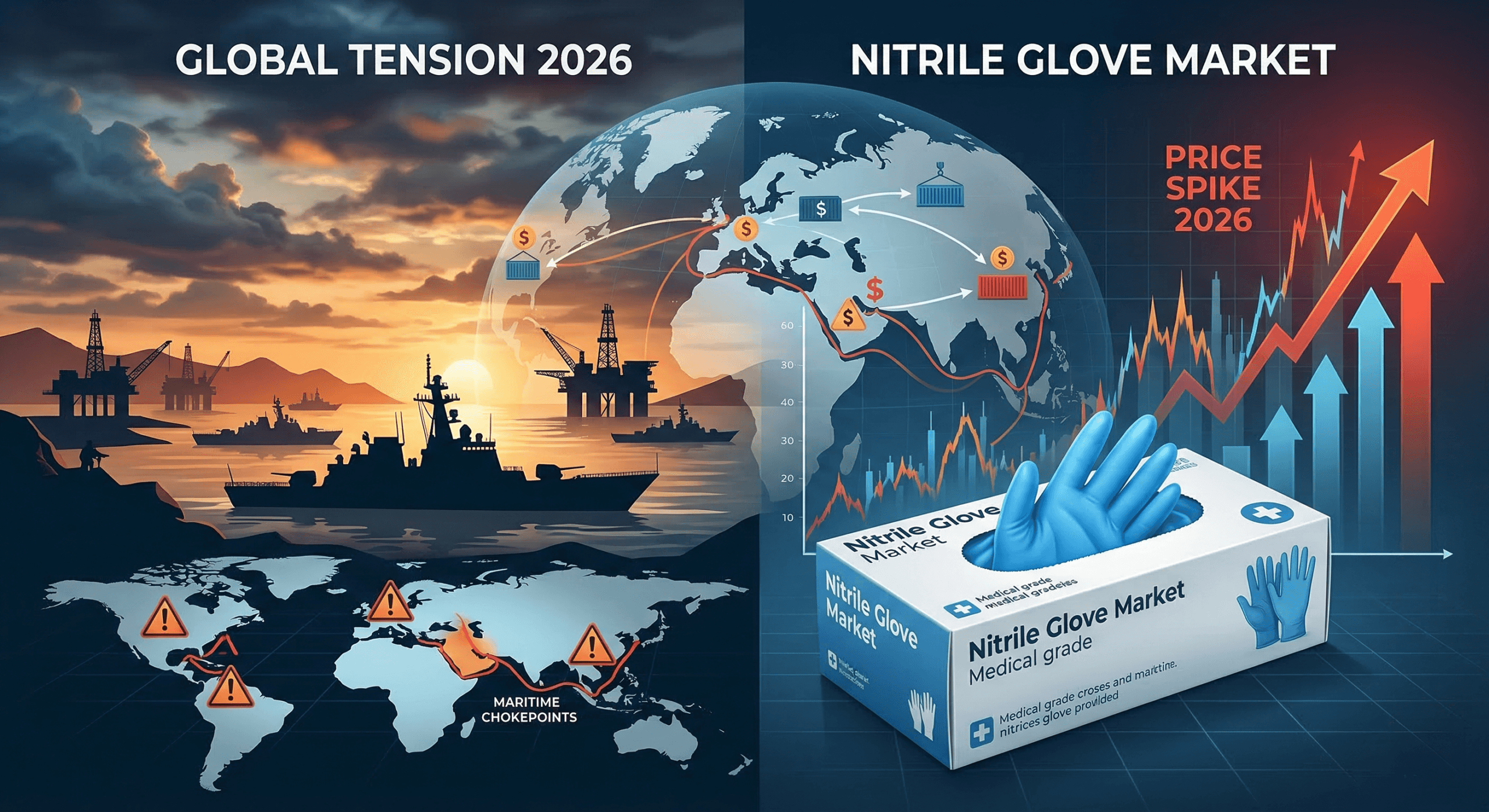
Why Middle East Tensions are Driving Nitrile Glove Prices in 2026
The disposable glove market is notoriously sensitive to global instability. In 2026, the “engine room” of the raw materials that make Nitrile gloves possible—the Middle East—is facing significant geopolitical shifts. For UK businesses in healthcare and industry, understanding these “invisible” forces is key to managing procurement budgets.
Here is a deep dive into how current tensions are reverberating through the supply chain and affecting your bottom line.
1. The Energy Factor: Brent Crude and Manufacturing
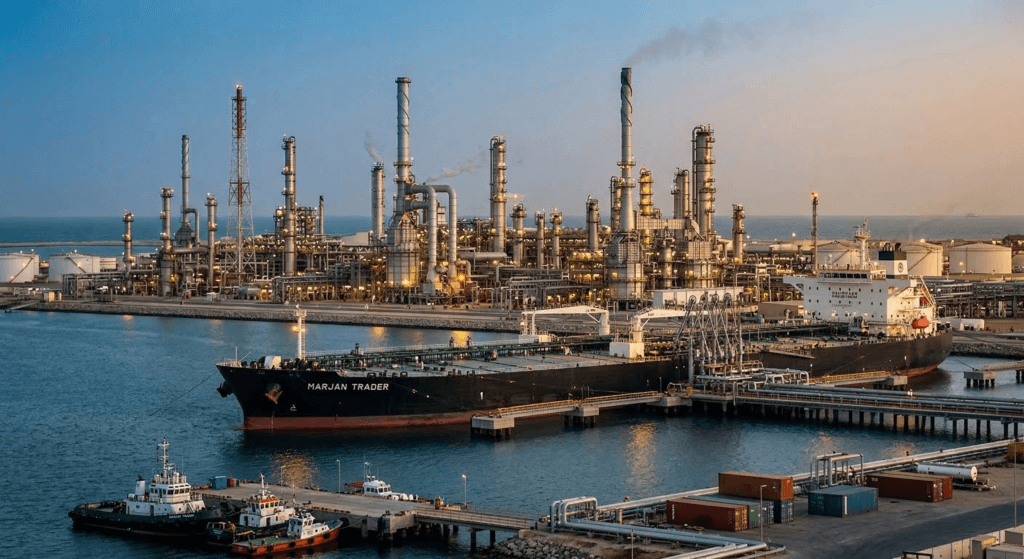
While the majority of disposable gloves are manufactured in Southeast Asia, the energy required to run those factories is heavily tied to Middle Eastern oil and gas exports. The production of synthetic gloves is an incredibly energy-intensive process; huge dipping lines must be kept at constant, precise temperatures 24/7.
- The Impact: When tensions rise in the Persian Gulf or around the Strait of Hormuz, global energy prices spike.
- The Result: Manufacturers in Malaysia and Thailand pass these increased utility costs directly on to consumers. In 2026, even a minor disruption in oil flow can lead to a 5–10% surcharge on a container of gloves within weeks.
2. The NBR Connection: The Chemistry of a Glove
To understand why the Middle East matters so much, we have to look at NBR (Nitrile Butadiene Rubber). Unlike Latex, which comes from trees, Nitrile is a 100% synthetic “carboxylated acrylonitrile butadiene” copolymer.
The Requirement of NBR in Manufacturing
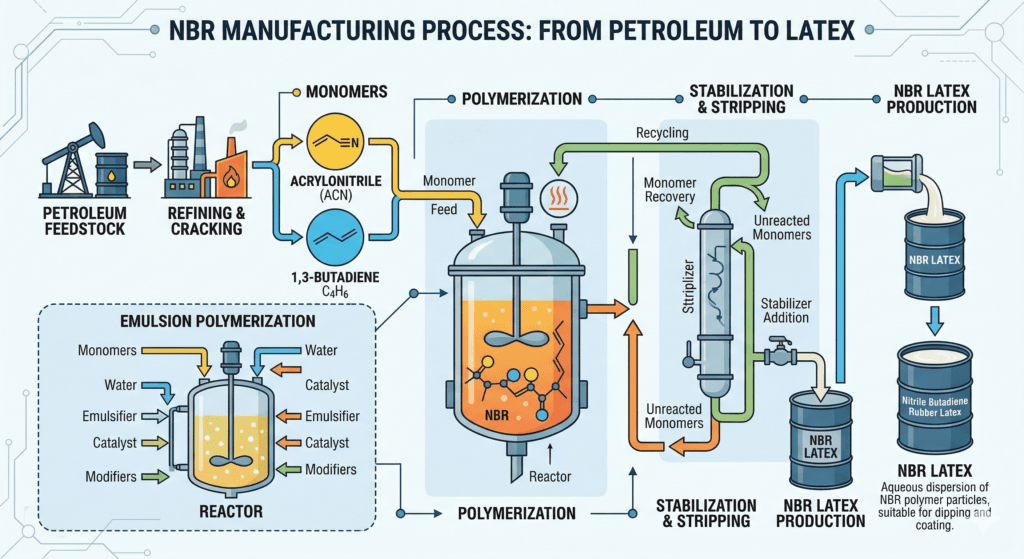
NBR is the “liquid gold” of the glove industry. It is created through the polymerisation of Acrylonitrile and Butadiene. Both of these core monomers are petroleum-based derivatives.
The Middle East is a major global supplier of naphtha and natural gas liquids used to produce these monomers. If the supply of petrochemical feedstock is restricted or rerouted due to conflict, the global supply of NBR tightens. Because raw material costs typically account for 45–55% of the total cost of a finished glove, any increase in NBR pricing is the single biggest driver of the “per-box” price you see on your invoice.
3. Shipping and the “Red Sea Premium”
Geopolitical instability doesn’t just affect what goes into the glove; it affects how the glove gets to you. Ongoing maritime risks in the Red Sea have forced many shipping lines to bypass the Suez Canal, opting instead to sail around the Cape of Good Hope.
- Time: This adds roughly 10–14 days to the journey from Asia to the UK.
- Cost: Longer routes require more fuel and trigger massive “War Risk” insurance premiums, which are added to the final shipping freight cost.
Expert Product Recommendations for Market Volatility
In a volatile market, the best strategy is to secure high-quality stock before the next price hike. Based on our current 2026 inventory, these offer the best value-to-protection ratio:
- The Industry Standard: Our Infection Control Nitrile Exam Gloves are our most consistent sellers. By buying these in bulk, you shield your business from “spot price” fluctuations.
- The Heavy-Duty Alternative: For industrial settings where durability is non-negotiable, the Black Nylon Nitrile Coated Gloves utilise a concentrated nitrile coating, reducing the frequency of glove changes and saving you money.
Geopolitics is unpredictable, but your supply chain shouldn’t be. At Glove Club, we monitor these petrochemical trends daily to ensure our UK warehouse stays stocked ahead of global shifts.
Would you like a custom quote for a bulk order to lock in today’s pricing? Contact our team today.

About author


Add comment