
No products in the cart.
Return To Shop



Disposing of Used Gloves in Healthcare Settings
Comprehensive Guide to Glove Disposal Regulations in the UK
What Are the Essential UK Guidelines for Safe Glove Disposal?
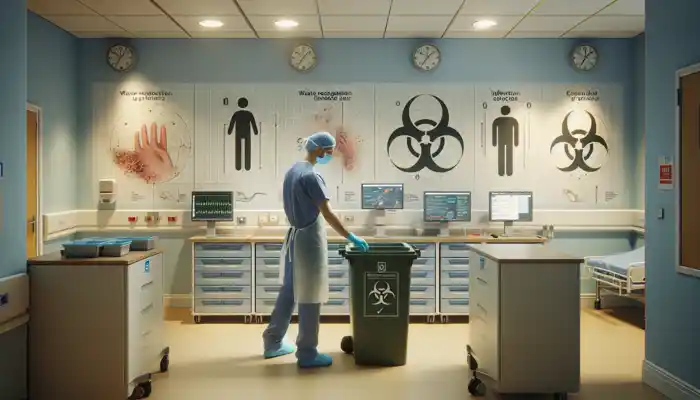
Disposing of Used Gloves in Healthcare Settings: In the United Kingdom, stringent guidelines govern the disposal of used gloves in healthcare settings to significantly reduce the risk of contamination and ensure the safety of both staff and patients. The NHS and the Health and Safety Executive (HSE) have established comprehensive regulations requiring the segregation of clinical waste, including used gloves, into appropriate categories. Under UK law, all clinical waste must be properly bagged to prevent the transmission of infection, in accordance with protocols tailored to specific waste types. Common waste categories in the UK include:
- Offensive waste
- Infectious waste
- Hazardous waste
- Non-hazardous waste
- Sharps waste
- Pharmaceutical waste
Adhering to these categories is vital for healthcare facilities across the UK to maintain effective infection control measures and ensure a safe environment. Compliance with these robust regulations is particularly critical in settings such as hospitals, clinics, and care homes, where the risk of infection is significantly heightened.
What Are the Recommended Steps for Handling Used Gloves in UK Healthcare Settings?
Effective handling of used gloves is paramount for infection control within healthcare environments throughout the UK. The recommended process begins with carefully removing gloves to avoid touching the outer surfaces, which is essential to prevent direct contact with contaminants. Following removal, the healthcare worker should promptly perform hand hygiene with either soap and water or an alcohol-based hand sanitiser to eliminate any potential pathogens transferred to the hands.
Once hand hygiene is confirmed, the used gloves should be disposed of in designated clinical waste bins clearly labelled for this purpose. These bins must be foot-operated to minimise hand contact and further bolster safety protocols. Adhering to these practices extends beyond mere regulatory compliance; it plays a vital role in reducing cross-contamination and safeguarding the health of both healthcare workers and patients from potential infections.
What Common Challenges Do UK Healthcare Facilities Face in Glove Disposal?
Despite clear guidelines, UK healthcare facilities face numerous challenges in managing the disposal of used gloves. A significant issue is the limited space in NHS wards for storing clinical waste. Frequently, there is insufficient space to accommodate multiple bins for different waste types, which can lead to confusion and non-compliance with established disposal protocols. Additionally, budget constraints may limit the procurement of adequate disposal equipment, resulting in suboptimal waste management practices.
Moreover, regular audits within the UK play a pivotal role in ensuring compliance with disposal regulations. These inspections can identify areas needing improvement and motivate healthcare facilities to implement essential adaptations to uphold safety standards. Local adjustments may include staff training on proper disposal techniques and investing in space-efficient waste-management solutions, thereby ensuring patient safety remains a priority in every healthcare setting.
How Does Proper Glove Disposal Safeguard Healthcare Workers in the UK?

What Risks Are Associated with Incorrect Glove Disposal Methods?
Improper disposal of used gloves in healthcare settings poses substantial risks to healthcare workers. One primary hazard is exposure to pathogens, as improper handling can contaminate surfaces and objects throughout the healthcare environment. In UK hospitals, where many patients have compromised immune systems, the consequences of such exposure can be severe, potentially leading to healthcare-associated infections.
Furthermore, nonadherence to established disposal protocols may foster a culture of complacency in infection control. This is particularly alarming in high-risk areas such as operating theatres and intensive care units, where the stakes are considerably higher. By diligently following UK glove disposal protocols, healthcare workers can significantly reduce the risk of cross-contamination, thereby protecting their health and patients’ welfare.
What Training Requirements Exist for Healthcare Staff in the UK?
Training is a critical component of ensuring that healthcare staff in the UK understand and follow the correct procedures for glove disposal. Mandatory training programmes, often supervised by Public Health England, include comprehensive modules on infection control and safe waste management. These training sessions emphasise proper glove use and disposal techniques, fostering a culture of safety in healthcare environments.
Continual updates and refresher courses are equally essential, as they keep staff abreast of any changes in regulations or best practices. By committing to the training of healthcare personnel, organisations not only enhance compliance with UK guidelines but also promote a proactive approach to infection prevention. This dedication to ongoing education ultimately helps create safer healthcare environments for both workers and patients.
What Is the Environmental Impact of Glove Disposal Practices in the UK?

The glove disposal practices in the UK have significant environmental implications. UK regulations require responsible disposal methods that either facilitate recycling or safe incineration to minimise environmental harm. The government actively encourages healthcare facilities to adopt sustainable waste management practices to reduce overall waste generation in healthcare settings.
Healthcare organisations are increasingly embracing environmentally friendly disposal solutions that comply with national sustainability guidelines. This encompasses initiatives such as recycling programmes for non-contaminated materials and investments in waste-to-energy systems. By following these practices, healthcare facilities not only comply with UK legislation but also contribute to broader national efforts to safeguard the environment and promote sustainability in the healthcare sector.
Expert Recommendations for Effective Glove Disposal in Healthcare Settings
What Actionable Steps Can UK Healthcare Facilities Take to Improve Glove Disposal?
Experts recommend several actionable steps for UK healthcare facilities to improve glove disposal efficiency. Following NHS-endorsed procedures, such as colour-coded bins, can significantly improve waste segregation. Each bin’s colour corresponds to a specific waste type, ensuring that used gloves are disposed of correctly and reducing the risk of contamination.
For instance, yellow bins are designated for infectious waste, while orange bins may be used for offensive waste. In clinical settings, it is crucial to provide clear signage and training for all staff members to familiarise them with these protocols. Real-world examples from UK hospitals show that implementing such measures not only improves compliance with disposal regulations but also fosters a culture of safety and responsibility among healthcare workers.
What Key Tools and Equipment Do UK Specialists Recommend for Glove Disposal?
To optimise glove disposal practices, UK health specialists recommend specific tools and equipment designed to facilitate safer waste handling. A key item is the pedal-operated bin, which allows healthcare workers to dispose of used gloves without touching them, thereby significantly reducing the risk of contact with contaminated surfaces. Such bins should be strategically placed throughout healthcare facilities to ensure easy access and compliance.
In addition to pedal-operated bins, the use of disposable glove dispensers ensures that gloves are readily available, minimising the likelihood of cross-contamination when donning clean gloves. Incorporating these tools into daily routines aligns with British health expert guidelines, enhancing overall safety protocols in healthcare settings and ensuring disposal practices remain effective and user-friendly.
What Are the Benefits of Following Expert UK Disposal Strategies?
Adhering to expert-recommended disposal strategies offers substantial benefits to healthcare facilities across the UK. For example, numerous case studies have shown that consistent and proper glove disposal can prevent healthcare-associated infection outbreaks by ensuring that all potentially contaminated materials are handled appropriately. Facilities that enforce strict disposal protocols have reported a significant decrease in infection rates, highlighting the importance of these practices.
Moreover, by following established guidelines, healthcare facilities can enhance their reputation and trust within the community. Patients are more inclined to seek care in environments that prioritise safety and infection control. Therefore, implementing these expert strategies not only protects healthcare workers and patients but also enhances the overall effectiveness of the UK healthcare system.
What Are the Consequences of Non-Compliance in the UK?

How Do UK Authorities Enforce Glove Disposal Standards?
The enforcement of glove disposal standards within the UK is rigorously monitored by regulatory bodies such as the Environment Agency and the Care Quality Commission. These authorities conduct inspections to ensure that healthcare facilities adhere to established waste management protocols. Non-compliance can result in considerable penalties, including fines and, in severe cases, legal action.
Such enforcement measures serve as a deterrent, motivating healthcare facilities to comply with best practices for glove disposal. When facilities are found to violate disposal regulations, the consequences can include substantial financial penalties that may strain budgets and resources. Thus, compliance not only safeguards public health but also proves economically beneficial for healthcare organisations.
What Are the Variations in Disposal Regulations Across UK Regions?
While overarching guidelines for glove disposal exist across the UK, there are discrepancies in regulations between England, Scotland, Wales, and Northern Ireland. Each region tailors its health services and disposal rules to address local needs while maintaining uniform safety standards nationwide. For instance, Scotland has specific protocols that reflect its unique healthcare landscape, which may differ from those in England due to varying governance structures and healthcare priorities.
Despite these regional differences, all areas share a commitment to ensuring effective disposal practices that minimise risks associated with clinical waste. Understanding these regional nuances is essential for healthcare facilities operating across multiple locations, as it helps ensure compliance with local regulations and supports the overarching goal of protecting public health.
What Alternatives Exist to Standard Disposal Practices in the UK?
In addition to conventional disposal methods, UK healthcare facilities can utilise on-site treatment facilities to manage clinical waste, including used gloves. These facilities, which are approved by regulatory bodies, enable efficient waste management and reduce reliance on external services. By treating waste on-site, hospitals can significantly decrease transportation costs and the associated environmental impact.
On-site treatment options may include technologies such as autoclaving or chemical disinfection, which safely neutralise pathogens before disposal. These alternatives align with national policies aimed at minimising waste and enhancing sustainability within the healthcare sector. As healthcare continues to evolve, incorporating innovative waste management solutions will be essential for maintaining compliance and protecting both public health and the environment.
What Common Fines and Sanctions Are Imposed for Improper Waste Disposal in the UK?
The financial repercussions of improper waste disposal in the UK can be significant. Common penalties imposed by regulatory bodies may include fines ranging from thousands to tens of thousands of pounds, depending on the severity of the violation. Such sanctions are designed to foster compliance and underscore the importance of adhering to established disposal guidelines.
Additionally, facilities may suffer reputational damage, which can erode patient trust and lead to a decline in service utilisation. By understanding the financial and reputational risks of non-compliance, healthcare organisations can better appreciate the need to invest in effective waste disposal strategies and staff training, ultimately benefiting both their operations and public health.
What Is the Appeals Process for Penalties Related to Non-Compliance in the UK?
Healthcare facilities in the UK that incur penalties for non-compliance with disposal regulations possess the right to challenge these penalties through established legal channels. The appeals process typically involves submitting a formal request for review to the relevant regulatory body, which will subsequently investigate the circumstances surrounding the penalty.
This process ensures fairness while maintaining stringent standards for medical waste management nationwide. Facilities that can present evidence of compliance or mitigating circumstances may see their penalties reduced or overturned. Engaging with the appeals process underscores healthcare organisations’ commitment to upholding regulatory standards and pursuing continuous improvement in their waste management practices.
Research-Backed Advantages of Proper Glove Disposal in the UK
What Evidence Supports the UK’s Disposal Methods?
Research conducted by UK institutions consistently demonstrates that correct glove disposal methods correlate with reduced infection rates in healthcare settings. Studies conducted across hospitals have shown a strong link between adherence to proper waste management practices and reduced incidence of healthcare-associated infections, demonstrating the effectiveness of these protocols in safeguarding public health.
Data from British research underscores the need for strict disposal regulations, emphasising that facilities that implement comprehensive training and compliance audits tend to achieve better infection-control outcomes. This evidence underscores the importance of proper glove disposal not only as a regulatory requirement but also as a fundamental element of patient and staff safety in healthcare environments.
What Long-Term Advantages Are Associated with Proper Disposal for UK Healthcare Systems?
Consistent glove disposal practices yield long-term advantages for the UK healthcare system. By preventing waste accumulation and reducing infection rates, facilities can lower operational costs linked to treating infections and managing waste. Reports indicate that investing in proper waste disposal techniques yields returns in both financial savings and improved patient care quality.
Furthermore, efficient waste management supports improved resource allocation within the National Health Service (NHS), allowing funds to be redirected to other critical areas of care. As healthcare facilities recognise and capitalise on these advantages, the overall efficacy and sustainability of the UK healthcare system improve, benefitting both healthcare providers and patients.
How Can Research Findings Be Integrated into Daily Practices in the UK?
To successfully embed proven glove-disposal techniques into hospital workflows, UK healthcare facilities must adopt actionable steps grounded in research findings. Implementing routine audits and monitoring compliance with disposal protocols can provide valuable feedback and identify areas for improvement. These audits reinforce the importance of adhering to established guidelines and foster a culture of accountability among staff.
Additionally, integrating research findings into staff training programmes can enhance understanding and compliance with disposal practices. By cultivating a culture of continuous learning and improvement, healthcare facilities can ensure effective disposal methods are consistently applied, delivering sustained benefits for staff, patients, and the broader community across the UK.
Where Can Healthcare Professionals Access Resources for Glove Disposal in the UK?
What Online Guides Are Available From UK Sources?
Healthcare professionals in the UK seeking guidance on glove disposal can access a range of official online resources. Websites such as the NHS, Public Health England, and the Environment Agency provide comprehensive guidelines and documentation tailored to UK regulations. These resources offer detailed, step-by-step instructions for safe disposal practices and thorough explanations of legal responsibilities.
Additionally, many local health authorities supply region-specific guidance addressing unique challenges and considerations within their jurisdictions. By utilising these online resources, healthcare professionals can ensure they remain well-informed and compliant with the latest disposal protocols, thereby enhancing safety within their working environments.
What Support Do UK Professional Organisations Offer Regarding Glove Disposal?
Professional organisations play a crucial role in helping UK healthcare workers understand and apply glove disposal guidelines. The Royal College of Nursing and other relevant bodies provide training materials, resources, and workshops designed to educate staff on proper waste management practices. These organisations frequently update their educational content to reflect the latest regulations and best practices, ensuring healthcare professionals are equipped with the knowledge needed to comply.
By leveraging support from these organisations, healthcare workers can better navigate the complexities of glove disposal, enhance their professionalism, and contribute to a safer healthcare environment for both patients and colleagues.
What Community Programmes Aid in Enhancing Glove Disposal Practices in the UK?
Numerous local initiatives in the UK aim to improve awareness and compliance regarding glove disposal practices. Community programmes often focus on educating healthcare providers and the public about proper waste management techniques. Workshops and training sessions led by health professionals help raise awareness of the importance of safe glove disposal and its impact on public health.
These community efforts not only provide education but also foster collaboration among healthcare workers, encouraging the exchange of best practices and experiences. By promoting proper disposal methods at the community level, these programmes contribute to a culture of safety and responsibility within the UK healthcare sector.
What Resources Do UK Waste Management Services Provide for Glove Disposal?
UK waste management companies provide essential guidance and services for disposing of medical gloves, ensuring compliance with environmental regulations. Many of these companies provide customised waste management solutions that align with UK standards, helping healthcare facilities manage waste effectively while minimising health risks and environmental impact.
Additionally, these services often include training for healthcare staff on proper waste handling, reinforcing safe disposal practices in healthcare settings. By partnering with waste management services, healthcare organisations can streamline their disposal processes, lessen their environmental footprint, and comply with national regulations, thereby enhancing overall safety and sustainability.
Best Practices for Sustainable Glove Disposal in the UK
How Can Healthcare Settings Promote Eco-Friendly Glove Disposal Methods?
Promoting eco-friendly glove disposal methods in UK healthcare settings is crucial to reducing environmental impact while complying with national waste management laws. Strategies to achieve this include:
- Implementing recycling programmes for non-contaminated materials
- Using biodegradable gloves wherever feasible
- Encouraging staff participation in sustainability training
- Utilising energy-efficient waste disposal technologies
By adopting these strategies, healthcare facilities can lessen their ecological footprint and contribute to a more sustainable healthcare system. Furthermore, fostering a culture of environmental responsibility among staff ensures that sustainability remains a priority in everyday practices.
What Innovations in Disposal Technology Are Emerging Within the UK?
Advancements in disposal technology are revolutionising how UK healthcare facilities manage waste, including used gloves. Automated systems are increasingly being implemented in hospitals to streamline disposal processes, mitigate human error, and enhance overall safety. These systems often feature built-in compaction and real-time monitoring, making waste management more efficient.
Such innovations not only improve compliance with disposal regulations but also align with local sustainability goals. By integrating advanced technology into waste management practices, healthcare facilities can ensure peak efficiency while safeguarding public health and the environment.
How Can Healthcare Facilities Monitor and Improve Disposal Practices in the UK?
Regular monitoring and evaluation of glove disposal practices in UK healthcare settings are essential for ensuring adherence to best practices. Facilities should implement structured feedback mechanisms that enable staff to assess the effectiveness of current disposal methods and propose improvements. This continuous feedback loop encourages staff engagement and accountability.
Moreover, conducting regular reviews and audits of disposal practices can help identify areas for enhancement. By remaining proactive in refining disposal routines, healthcare facilities can uphold high standards and adapt to evolving regulations and best practices, ultimately enhancing safety for all stakeholders.
What Education and Awareness Campaigns Are Essential in the UK?
Effective education initiatives targeting healthcare staff and the public are vital for promoting sustainable glove disposal in the UK. Community workshops, training sessions, and the distribution of educational materials can significantly enhance understanding of proper disposal methods. These initiatives raise awareness of the environmental impact of waste management and encourage waste reduction.
Additionally, involving healthcare workers in awareness campaigns fosters a sense of responsibility and ownership for disposal practices, increasing their adherence to established guidelines. This collaborative approach ultimately fosters a culture of environmental responsibility within the healthcare sector, benefiting both patients and the community.
How Can Healthcare Facilities Ensure Regulatory Compliance and Stay Updated in the UK?
In the UK, remaining informed about evolving regulations from bodies such as the Environment Agency is crucial for ensuring sustainable glove disposal practices in healthcare settings. Regular policy reviews and updates enable facilities to adjust their methods to minimise environmental harm while maintaining legal standards. This proactive approach allows healthcare organisations to remain compliant and responsive to new guidelines or best practices.
Furthermore, establishing a dedicated compliance team within healthcare facilities can facilitate timely updates and ensure all staff are aware of regulatory changes. By prioritising regulatory compliance, healthcare facilities can contribute to a cleaner, safer environment while protecting public health and promoting sustainability.
Future Trends in Glove Disposal for UK Healthcare
What Emerging Technologies Are Shaping Glove Disposal in the UK?
The future of glove disposal in UK healthcare is likely to be transformed by emerging technologies, including biodegradable gloves that provide a sustainable alternative to traditional latex or plastic options. As the market for eco-friendly medical supplies expands, healthcare facilities will have new opportunities to reduce their environmental impact while complying with regulatory standards.
These eco-innovations not only facilitate compliance with sustainability goals but also resonate with an increasingly environmentally conscious public. As more healthcare organisations adopt biodegradable products, demand for sustainable practices in the sector will continue to rise.
What Policy Changes Are Anticipated in the UK?
Expected updates to UK health policies may strengthen glove disposal protocols and reflect the evolving healthcare landscape and environmental consciousness. As public health concerns continue to escalate, regulations on waste management and disposal will likely become increasingly stringent.
Healthcare workers can prepare for potential policy changes by staying informed about emerging trends and engaging in ongoing training programmes. By cultivating a culture of adaptability within healthcare facilities, staff will be better prepared to navigate and implement new disposal protocols as they arise, ultimately ensuring that patient safety remains paramount.
How Can Healthcare Institutions Prepare Staff for Advancements in Disposal Methods in the UK?
As advances in disposal methods emerge, UK healthcare institutions must adapt accordingly. Preparing staff for new technologies and practices demands a commitment to continuous education and professional development. Ongoing training sessions should include hands-on demonstrations of new disposal methods and technologies to ensure staff are confident in their application.
Moreover, creating a feedback-rich learning environment where staff can share their experiences and suggest improvements will foster a culture of innovation and collaboration. By equipping healthcare workers with the skills and knowledge necessary to implement advancements effectively, organisations can enhance their waste management practices and ensure compliance with evolving standards.
What Role Does Environmental Sustainability Play in UK Glove Disposal?
Upcoming eco-friendly initiatives, including advanced recycling programmes and reduced plastic usage in gloves, will shape the future of glove disposal in the UK. These initiatives align with national environmental policies aimed at minimising waste generation and promoting sustainable practices in healthcare settings. Healthcare facilities are likely to see an increase in the availability of sustainable products and disposal options as manufacturers innovate to meet these demands.
By adopting these environmentally friendly initiatives, UK healthcare facilities can not only comply with regulations but also actively promote sustainability across their operations. This commitment to environmental responsibility will enhance public trust and further solidify the healthcare sector’s leadership in combating climate change.
What Are the Economic Implications of Future Glove Disposal Practices in the UK?
The economic implications of adopting new glove disposal methods in the UK healthcare sector can be substantial. Although initial investments in advanced technologies and sustainable practices may appear daunting, the long-term cost benefits can be significant. For instance, automating waste disposal systems can yield considerable savings in labour costs and improved efficiency.
Moreover, transitioning to environmentally friendly disposal methods may qualify healthcare facilities for government incentives or grants to promote sustainability. By proactively investing in innovative disposal solutions, UK healthcare organisations can position themselves to adapt efficiently to future trends while balancing budgetary constraints and maintaining high standards of care.
FAQs
What Are the UK Regulations for Glove Disposal?
In the UK, regulations govern the disposal of used gloves in healthcare settings, primarily outlined by the NHS and HSE. These rules mandate the segregation of clinical waste to minimise contamination risks.
How Should Used Gloves Be Removed and Disposed Of?
Remove used gloves carefully without touching the exterior, then perform immediate hand hygiene. They should then be placed into designated clinical waste bins.
What Training Do Healthcare Workers Receive Regarding Glove Disposal?
Healthcare workers in the UK undergo mandatory training in proper glove disposal, emphasising adherence to infection control protocols and waste management guidelines.
What Are the Consequences of Improper Glove Disposal?
Improper glove disposal can lead to pathogen exposure, increasing infection risk. Non-compliance may also result in fines and reputational damage for healthcare facilities.
Are There Differences in Disposal Regulations Across the UK?
Yes, while overarching UK guidelines exist, specific disposal rules may vary between England, Scotland, Wales, and Northern Ireland to meet local healthcare needs.
What Alternatives Exist for Standard Glove Disposal?
Alternatives to standard disposal include on-site treatment facilities that allow for efficient waste management, minimising reliance on external services.
How Can Healthcare Facilities Promote Eco-Friendly Disposal Methods?
Healthcare facilities can promote eco-friendly disposal by implementing recycling programmes, using biodegradable gloves, and providing staff training on sustainable practices.
What Emerging Technologies Are Influencing Glove Disposal?
Emerging technologies, such as automated disposal systems and biodegradable gloves, are shaping glove disposal practices in UK healthcare, promoting sustainability and efficiency.
How Do Healthcare Facilities Ensure Compliance with Disposal Regulations?
Healthcare facilities can ensure compliance with disposal regulations by conducting regular audits, providing ongoing training, and staying informed about regulatory changes.
What Resources Are Available for Healthcare Workers Regarding Glove Disposal?
Healthcare workers can access various resources from official UK websites, professional organisations, and local waste management services to guide proper glove disposal practices.
Join the conversation on Facebook!


About author


Add comment